Bringing Store Teams into a Retail Mini App Ecosystem
A hypothetical home retailer weighs involving store teams in a partner assembly service, examining useful assistance, staff effort and continuing provider support.
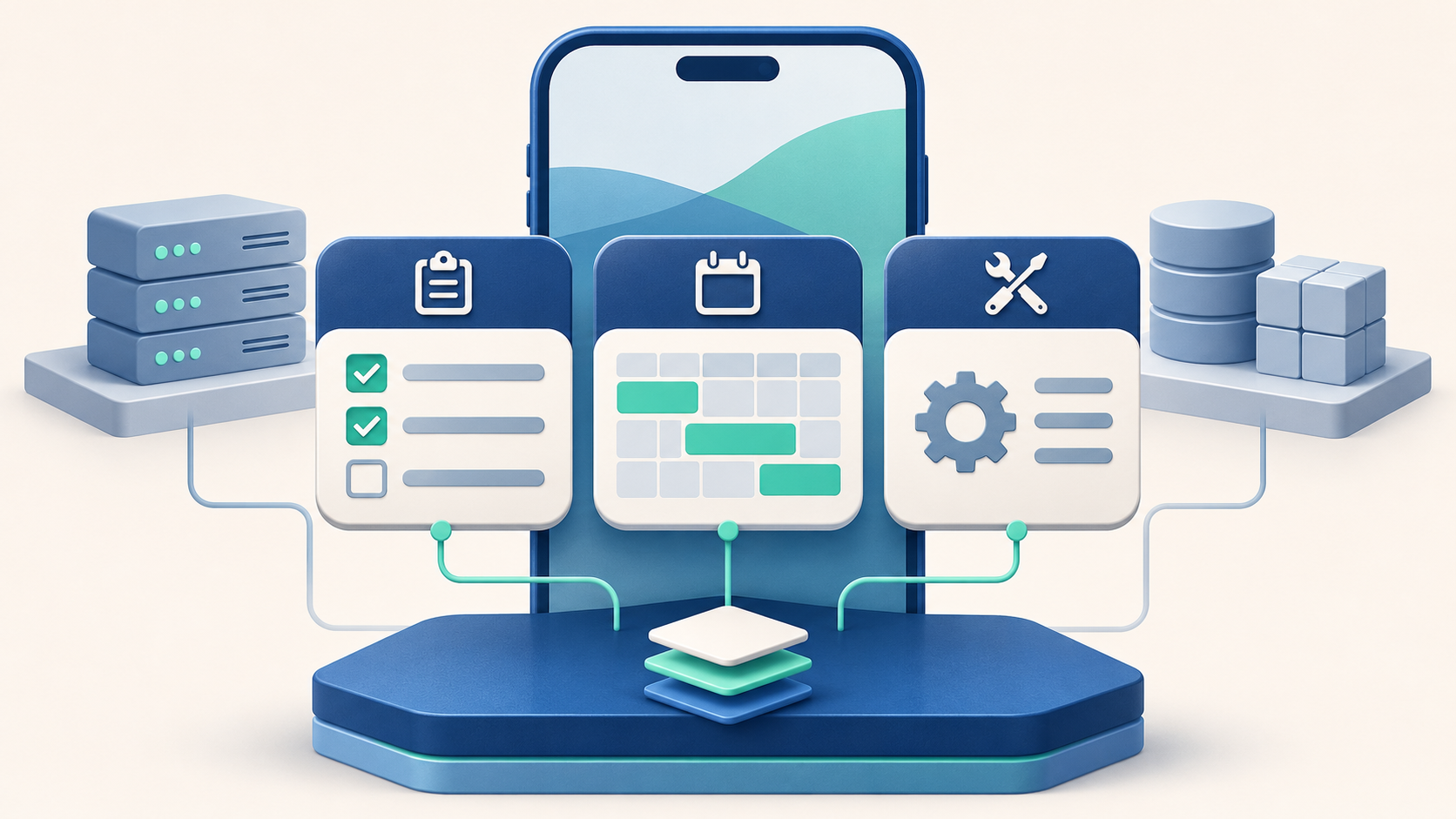
A home retailer already offers a partner assembly service through its consumer app. Its digital team now wants store associates to help customers understand and access that service. Store operations has a practical concern: will this make the retailer's service proposition more useful, or simply add another responsibility to a busy sales floor?
The proposal needs more than a staff-facing screen. It needs a reason for assistance at the point of purchase, time for associates to provide it and a partner capable of supporting the expectations those conversations create.
In this hypothetical retailer, the company operates the customer-facing Host App. Customers can access a provider's assembly service through a Mini App. The next decision is whether to invest in store teams as an additional service channel. The question concerns how the retailer reaches and supports customers, rather than how an employee completes a booking.
Identify the value of an assisted service channel
A customer choosing furniture in a store may ask about assembly while discussing the product. The associate is already part of that conversation and may be able to explain that a relevant service exists. That is a different opportunity from waiting for the customer to find the service independently in the app.
The retailer should be specific about what assistance would add. In this example, an associate might help a customer understand the service's purpose, recognise when further information is needed and identify the provider responsible for answering it. The customer would still need a clear basis for deciding whether to use the service.
That role can be valuable without making every associate an assembly specialist. The retailer should avoid placing staff between a customer and a provider when they cannot add useful knowledge or help the customer reach a suitable next action. An assisted channel earns its place by improving access and understanding in relevant situations.
The technical contribution from FinClip is a runtime SDK for Mini Apps, supported by development tools and a management platform. FinClip's product introduction explains that foundation. The retailer or its implementation partners build the Host App, business Mini Apps and backends. The assembly provider delivers the actual service. A staff-facing Mini App could support the retailer's chosen assisted experience, but the retailer would still need to design that experience and operate the channel.
Define a role for retail staff Mini Apps
The store role should reflect what associates know and what the business is prepared to support. Product knowledge can help them recognise a relevant customer need. It does not automatically equip them to assess every installation condition or promise that a provider can accept a particular job.
For the illustrative retailer, a manageable role could be to introduce the assembly offer and help customers reach the provider with enough context to understand it. Questions requiring specialist assessment would go to the provider. If the retailer wants associates to do more, it needs an explicit agreement about their authority, knowledge and continuing workload.
This boundary also helps customers understand whose promise they are hearing. A store conversation can explain an offer without confirming the provider's availability or acceptance. The retailer should ensure that staff do not present an enquiry as an accepted service merely because the customer is ready to buy the furniture.
The distinction is commercial as well as operational. Customers may expect the retailer to help when something goes wrong because its store introduced the service. The retailer needs a credible way to support that relationship, even where the provider remains responsible for assembly.
Treat staff time and incentives as part of the investment
Putting a service in an employee app does not create time to explain it. Store management needs to understand how the proposed responsibility fits product advice, checkout and other demands on the sales floor.
The business should decide when assistance is worth providing and when a simple direction to the customer app is sufficient. Training should focus on the situations where the service is relevant, the boundaries of the offer and the point at which a provider needs to take over. Requiring every associate to memorise an expanding catalogue would be a different and potentially much larger commitment.
Recognition also needs to fit the role. If associates are assessed entirely on furniture sales, management should not assume that a new service responsibility will receive sustained attention. The retailer can decide how useful service assistance is recognised alongside existing work, without assuming that a transaction commission is necessary or available.
Counting introductions alone could encourage staff to recommend the service regardless of suitability. A better basis for the programme would recognise accurate explanations, relevant customer needs and responsible handover. Any commercial incentive should support that purpose. The Mini App implementation and the staff management arrangement are separate parts of the investment.
Match the store promise to partner capacity
A service that is manageable through a customer app may require different support when store teams actively introduce it. Associates need a reliable way to obtain current information about what the provider offers and where specialist questions should go.
The partner must be prepared for the channel the retailer intends to create. In the assembly example, that means being able to assess the kinds of requests store teams will introduce, explain any relevant service conditions and support customers after accepting work. A willingness to appear in the app does not establish that capacity.
If the provider cannot serve important locations or product situations, staff should understand those limits. Training associates to explain the offer does not expand the provider's assembly capacity. Nor should the retailer promote a store-assisted offer on the assumption that a provider will expand later.
The retailer and partner should therefore agree on a supportable proposition before broadening the store role. They may decide to limit assistance to a defined service scope. They may also decide that the partner needs to strengthen its operations first. Either is a more credible response than adding a staff tool while leaving the service promise unresolved.
Design the application boundary around the chosen role
The customer Mini App and any staff-facing experience serve different purposes. A customer needs to understand the offer, make their own choices and retain access to relevant information. An associate needs information and actions appropriate to the assistance they are expected to provide.
The retailer could consider a staff-facing Mini App in an existing employee application. If it selects that application as a Host App, runtime integration and connections to the relevant business systems form part of the implementation. The consumer Mini App's existence does not establish that the staff experience can be deployed unchanged.
The teams must also decide how the customer's relationship with the service continues after a store conversation. Shared service information may be useful, but customer identity, permissions and access to business records need explicit design. A common runtime does not give an associate authority to act as a customer or automatically connect the two applications' accounts.
The appropriate scope follows the business role. A staff experience may need to explain the offer and help route a question, while the customer and provider handle later decisions through their own agreed channels. A broader role would require additional implementation and operating arrangements.
Keep the customer relationship usable after the visit
The service should not depend on the original associate being available for every subsequent question. Once the customer leaves the store, they need to know who can assist and where to find information about work the provider has accepted.
The provider should handle issues concerning its service. The retailer should decide how its own support teams help when the customer returns through the retail channel, including how they reach the responsible provider. This maintains a usable relationship without expecting every store employee to investigate every service problem.
The retailer also needs to distinguish helpful assistance from a completed service outcome. A conversation, a customer request, provider acceptance and actual assembly describe different stages. More store introductions would not, by themselves, demonstrate that customers are receiving useful service or that the channel justifies its continuing cost.
Assessment should consider what the assistance adds alongside the staff effort and partner support it requires. The investment may be worthwhile where the store conversation clarifies a need that customers struggle to address alone. It may be less useful where staff mainly repeat information that customers can already understand and act on independently.
Recognise when self-service is enough
Store assistance is not a requirement for every partner service. If the assembly offer is straightforward, customers understand it and the provider can support direct enquiries effectively, the existing customer app may be sufficient. Associates can point interested customers towards it without taking on an extensive service role.
A broader assisted programme deserves investment when the retailer can identify the contribution store teams would make and sustain the resulting workload. That includes partner readiness and continuing assistance after the sale, alongside the technical experience staff will use.
For the hypothetical home retailer, the strongest proposal is a defined store role that complements customer choice and provider expertise. Its value should be judged through useful customer access and supportable service delivery. The number of stores equipped with a Mini App describes deployment, not the success of the service channel.
FAQs
When is store assistance worth adding to a retail Mini App ecosystem?
Consider it when an in-store conversation can clarify a relevant customer need or help someone reach a service they would struggle to use independently. The retailer must also be able to support staff time, appropriate knowledge and the provider's continuing involvement.
Does FinClip provide a ready-made staff sales application?
FinClip provides the runtime SDK, development tools and management platform. The retailer or its implementation partner builds the staff experience, Host App and backends. The service provider supplies the underlying business service.
Should store staff confirm that an assembly job is accepted?
Only within the authority and service arrangements the retailer and provider have established. Explaining an offer or sending an enquiry is different from provider acceptance. Staff should not infer availability or acceptance from a customer's interest.
Do staff and customer Mini Apps automatically share accounts or records?
No. The retailer must design identity, permissions and business-system connections for the roles involved. Running Mini Apps through a common technical foundation does not by itself establish cross-app access or authority to act for a customer.
How should the retailer judge the channel's value?
Examine whether assistance helps suitable customers obtain and use a service, alongside the staff effort and partner support required. Keep introductions, requests, acceptance and completed service distinct. A deployed staff interface or higher introduction count is not sufficient evidence of value.
Assess the staff and customer delivery requirements together
If store teams have a defined role in your partner-service strategy, discuss the relevant Host App and Mini App delivery requirements with FinClip. Assess the staff and customer experiences alongside the business systems and providers responsible for sustaining that service channel.