WeChat Mini-Program Education Platform Reaches 170,000+ Student Projects with AI Integration
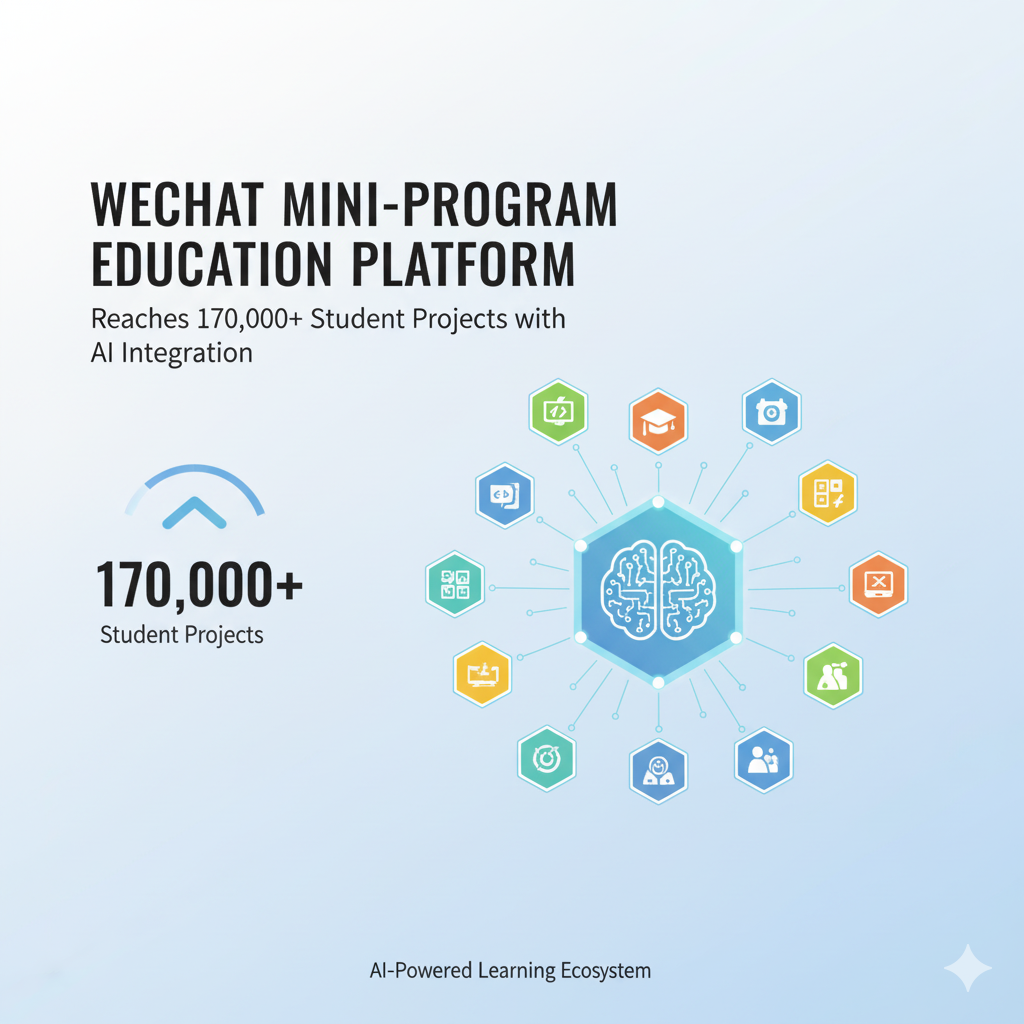
WeChat's dedicated education platform has transformed how schools integrate technology into learning environments, with recent data showing 5,000+ schools worldwide now using the platform and students creating over 170,000 mini-program projects. The platform's AI teaching assistants and natural language programming tools lower technical barriers while maintaining educational rigor, demonstrating how mini-program architectures can support scalable, accessible technology education. For educational institutions and training organizations, this case study provides practical insights into implementing technology-enhanced learning at scale.
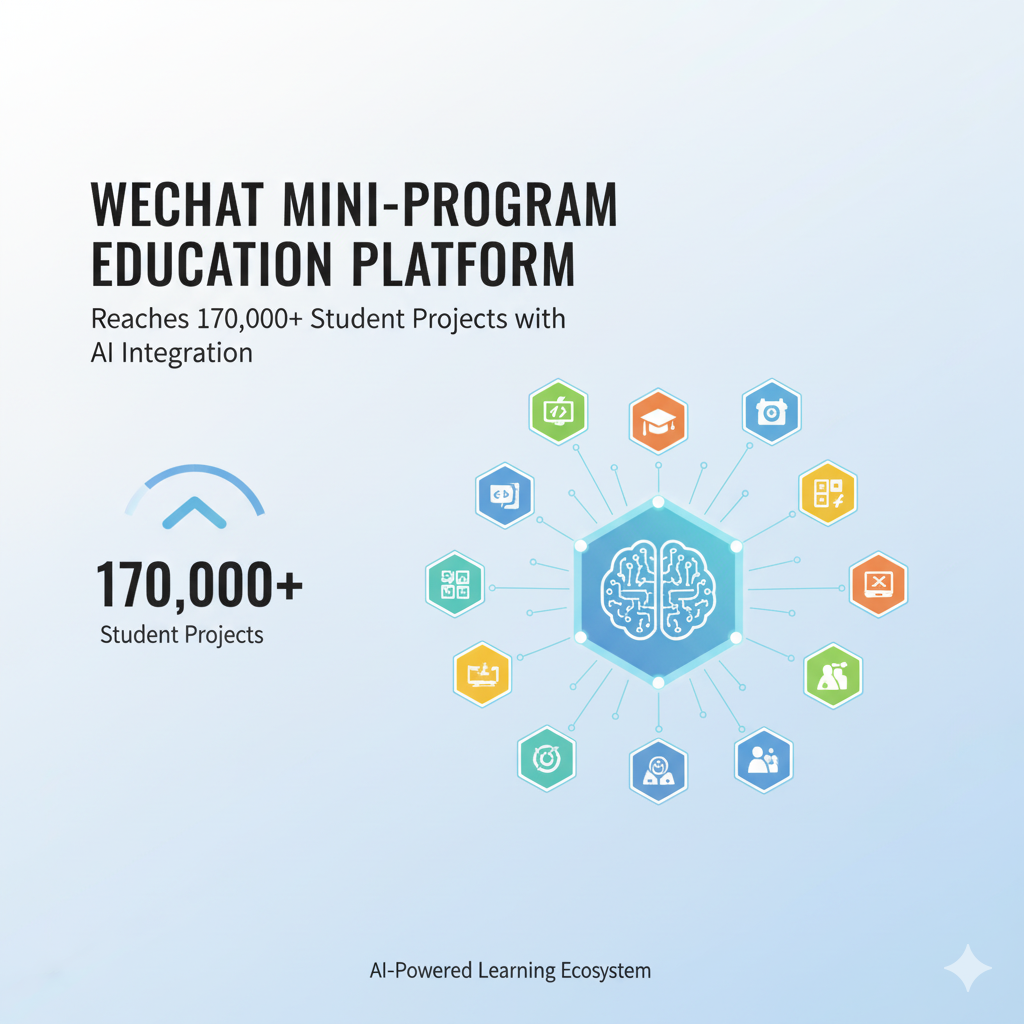
Platform Architecture and Educational Integration
The WeChat Mini-Program Education Platform represents a specialized implementation of mini-program technology designed specifically for educational contexts. Unlike general-purpose development platforms, this environment includes curriculum-aligned resources, age-appropriate development tools, and educator support features that address unique requirements of classroom integration. The platform's architecture balances technical capability with pedagogical considerations.
Core platform components include an online code editor with real-time preview capabilities, cloud storage for student projects, and collaboration features that support both student-student and student-teacher interactions. These technical elements are complemented by educational resources including official course materials aligned with information technology curriculum standards, project templates that demonstrate key concepts, and assessment tools that help educators evaluate student progress.
AI integration represents a significant platform differentiator. The AI teaching assistant supports natural language programming, allowing students to create functional mini-programs through text instructions rather than traditional coding syntax. This approach lowers initial learning barriers while introducing programming concepts gradually. The assistant also provides personalized feedback, suggests improvements to student projects, and helps educators identify students needing additional support.
Cross-platform accessibility ensures that students can engage with the platform from various devices and locations. The WeChat integration provides immediate access without separate application installation, while responsive design accommodates different screen sizes and input methods. This accessibility supports equitable technology education regardless of student device availability or technical background.
Implementation Patterns in Educational Institutions
Schools implementing the platform demonstrate diverse approaches to technology integration, with successful implementations sharing several common characteristics. Curriculum alignment ensures that platform use supports established learning objectives rather than representing isolated technical activities. This alignment helps justify platform adoption while ensuring educational value beyond technical skill development.
Professional development for educators represents another implementation success factor. Teachers need both technical training on platform features and pedagogical guidance on integrating mini-program development into existing courses. Successful schools provide ongoing support through peer mentoring, dedicated technical assistance, and curriculum resources that demonstrate effective integration strategies.
Project-based learning approaches leverage the platform's capabilities effectively. Rather than focusing exclusively on syntax or theoretical concepts, students engage with authentic development projects that solve real problems or express creative ideas. This approach maintains student engagement while developing both technical skills and broader competencies like problem-solving, collaboration, and creative thinking.
Assessment integration ensures that platform activities contribute meaningfully to student evaluation. Rubrics that evaluate both technical implementation and conceptual understanding help maintain educational rigor. The platform's built-in assessment tools support efficient evaluation while providing students with clear expectations and actionable feedback.
Technical Considerations for Educational Deployments
Educational technology implementations face unique technical requirements compared to enterprise or consumer applications. Reliability and availability are particularly important in classroom contexts where technical issues can disrupt planned lessons and reduce learning time. The platform's cloud-based architecture with redundant infrastructure helps maintain service availability during peak usage periods.
Performance optimization addresses the diverse device capabilities found in educational settings. Students may access the platform from older smartphones, tablets, or shared computer lab devices. Efficient code execution, responsive interface design, and progressive enhancement techniques ensure acceptable performance across this device diversity while maintaining core functionality.
Accessibility features support inclusive education for students with diverse abilities. Screen reader compatibility, keyboard navigation support, and adjustable interface elements help ensure that all students can participate fully. These features also benefit students without specific accessibility requirements by providing multiple interaction modalities that suit different learning preferences.
Data privacy and security receive particular attention in educational contexts where student information requires careful protection. The platform implements age-appropriate privacy controls, secure data transmission, and clear data usage policies that comply with educational privacy regulations like FERPA and COPPA. These protections help build trust with educators, students, and parents.
Scalability considerations address the platform's growing adoption. Supporting 5,000+ schools and 170,000+ student projects requires infrastructure that can handle concurrent usage spikes during school hours while maintaining responsive performance. The platform's architecture presumably includes load balancing, caching strategies, and database optimization techniques that support this scale.
Educational Outcomes and Skill Development
Student projects created on the platform demonstrate both technical proficiency and creative application of programming concepts. Analysis of project types reveals patterns in how students engage with the technology, with common categories including educational games that teach specific subjects, utility applications that address school or community needs, and creative expressions that combine programming with arts or humanities.
Skill development extends beyond specific programming languages or platform features. Students develop computational thinking skills including decomposition (breaking complex problems into manageable parts), pattern recognition (identifying similarities among different problems), abstraction (focusing on essential details while ignoring irrelevant information), and algorithm design (creating step-by-step solutions).
Collaboration skills emerge through platform features that support shared projects and peer feedback. Students learn to articulate technical concepts, provide constructive criticism, and integrate diverse perspectives into unified solutions. These collaboration experiences mirror real-world software development practices while developing interpersonal skills valuable across disciplines.
Creative confidence grows as students transition from consuming technology to creating with technology. The platform's immediate feedback loop—where code changes produce visible results—helps students develop persistence in problem-solving and willingness to experiment with different approaches. This creative confidence extends beyond technology to other areas where iterative improvement and experimentation are valuable.
Career awareness develops through exposure to authentic development practices and real-world application scenarios. Students gain understanding of how technology creation occurs in professional contexts, potentially inspiring further study or career exploration in technology fields. The platform's connection to widely used technology (WeChat) helps students see the relevance of their learning to everyday technology experiences.
Getting Started with Educational Mini-Program Implementation
Educational institutions beginning mini-program integration should start with pilot implementations that allow for iterative refinement before broader deployment. Pilot selection might consider factors like educator enthusiasm, existing technology infrastructure, and alignment with curriculum priorities. These pilots provide valuable learning experiences that inform scaling decisions and implementation strategies.
Curriculum integration planning should connect platform activities to established learning standards and objectives. Technology activities should enhance rather than replace core curriculum elements, with clear connections to subject matter concepts and skills. Interdisciplinary projects that combine technology with other subjects often demonstrate particularly strong educational value.
Professional development approaches should address both technical skills and pedagogical strategies. Hands-on workshops where educators create their own mini-programs provide valuable perspective on student experiences, while curriculum planning sessions help educators identify effective integration opportunities. Ongoing support through professional learning communities helps sustain implementation over time.
Assessment development should evaluate both process and product aspects of student work. Technical implementation quality represents one dimension, but equally important are problem-solving approaches, collaboration effectiveness, and creative application of concepts. Rubrics that address multiple dimensions help maintain educational rigor while recognizing diverse student strengths.
Parent and community engagement helps build support for technology integration. Demonstrations of student projects, explanations of educational benefits, and discussions of privacy protections help address potential concerns while highlighting student achievements. This engagement also provides opportunities for community members to contribute expertise or resources to technology education initiatives.
The platform's natural language programming features demonstrate how AI integration can make technology education more accessible while maintaining educational value. Similar AI capabilities in enterprise chat applications provide conversational interfaces to complex systems, with middleware implementations that simplify integration while maintaining security and performance standards.
Read comprehensive documentation on implementing conversational AI interfaces within containerized application environments. View docs