Understanding Mini-Program Security: Best Practices for Protecting User Data and Transactions
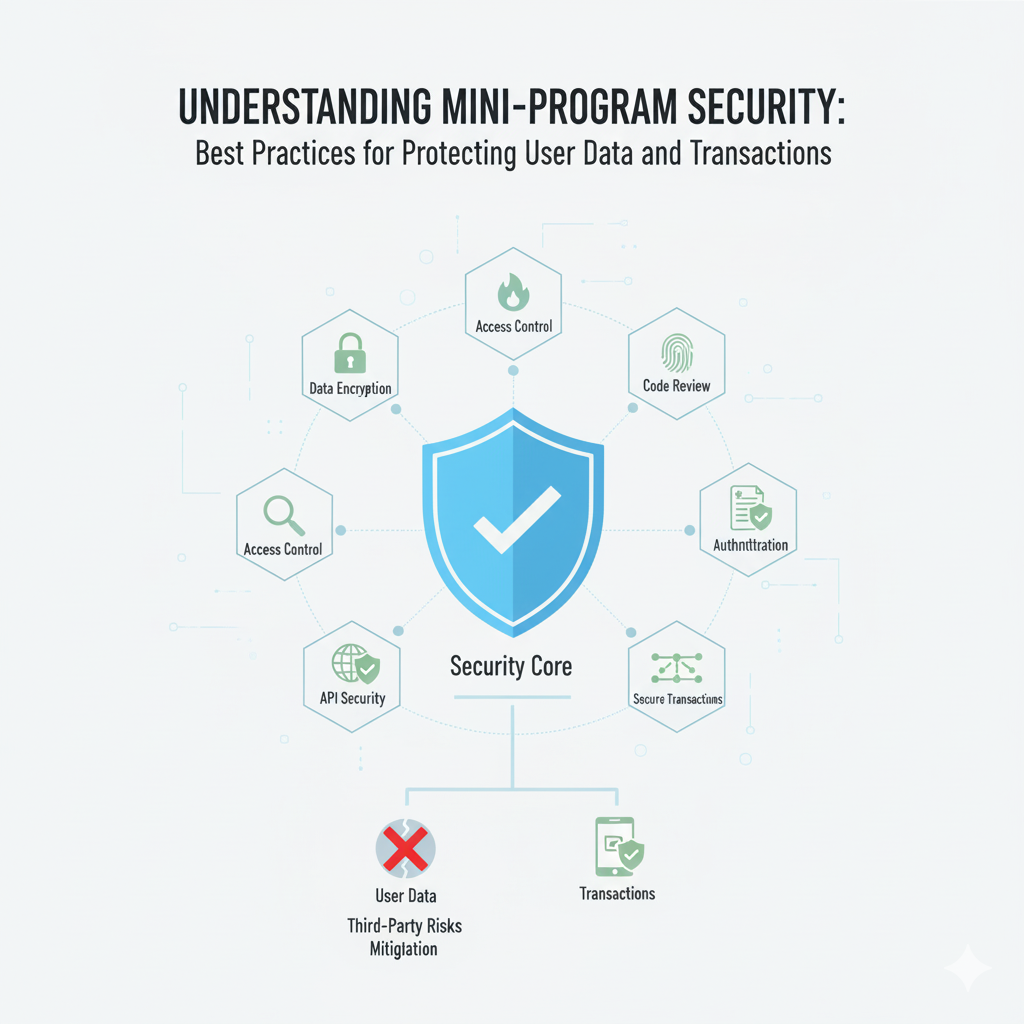
Mini-programs operate within constrained execution environments that require specific security considerations distinct from traditional web or native applications. These lightweight applications benefit from containerization that provides inherent isolation, but still face risks related to data leakage, transaction security, and compliance with evolving regulatory requirements. Implementing comprehensive security measures requires understanding both technical controls and operational processes that protect user data while maintaining application functionality.
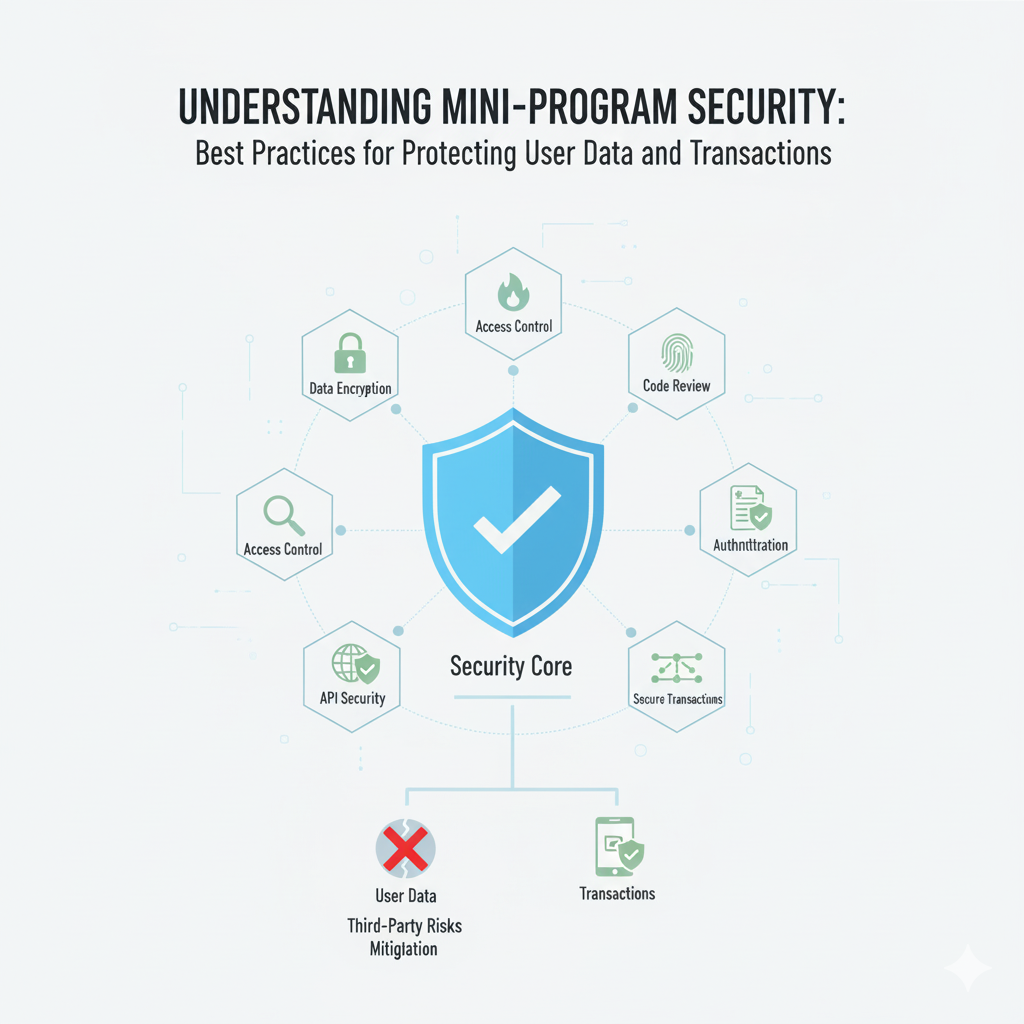
Container Security Fundamentals
Mini-program containers provide the foundational security layer through isolation mechanisms that separate application code from both the host application and device operating system. This sandboxing approach limits the potential damage from security vulnerabilities by restricting what resources the mini-program can access. Effective container security implementation begins with understanding these isolation boundaries and their limitations.
The isolation model typically includes file system restrictions that prevent mini-programs from accessing arbitrary device storage, network communication limits that control which endpoints the application can contact, and API access controls that gate sensitive device capabilities. These restrictions must balance security with functionality, allowing legitimate operations while blocking potentially malicious activities.
Container implementations vary across platforms, but common security features include code signing verification to ensure application integrity, runtime permission checks for sensitive operations, and resource quota enforcement to prevent denial-of-service attacks. These features work together to create a defense-in-depth approach where multiple security layers provide protection even if individual controls fail.
Security updates represent a critical consideration. Container providers must maintain current vulnerability patches and security enhancements, with update mechanisms that don't disrupt application functionality. The update frequency and testing rigor directly impact the security posture of applications running within the container environment.
Data Protection and Privacy Compliance
Mini-programs frequently handle sensitive user data including personal information, payment details, and behavioral patterns. Protecting this data requires implementing encryption both at rest and in transit, access controls that limit data exposure, and audit trails that support compliance verification. Regulatory frameworks like GDPR, CCPA, and emerging regional privacy laws establish specific requirements that mini-programs must address.
Data minimization represents a fundamental privacy principle. Mini-programs should collect only the data necessary for their stated functionality, with clear user consent mechanisms and straightforward data deletion options. Implementation approaches include granular permission requests that explain why specific data is needed, rather than blanket permission demands at application launch.
Encryption implementation must consider both performance implications and key management practices. Transport layer security (TLS) protects data in transit, while at-rest encryption safeguards stored data. Key management systems should separate encryption keys from encrypted data, with secure key storage and rotation procedures that maintain security while supporting application availability.
Access control implementation requires careful consideration of both authentication and authorization mechanisms. Multi-factor authentication provides stronger identity verification for sensitive operations, while role-based access control limits data exposure based on user roles and responsibilities. These controls must balance security with user experience, avoiding unnecessary friction for routine operations.
Compliance documentation and audit trails support regulatory verification and incident response. Detailed logging of data access, modification, and transmission helps demonstrate compliance during audits and supports forensic analysis following security incidents. These logs must themselves be protected against tampering while remaining accessible for authorized review.
Transaction Security Implementation
Financial transactions within mini-programs require particularly robust security measures due to both regulatory requirements and attacker interest. Payment processing implementation must protect against interception, manipulation, and replay attacks while maintaining transaction integrity and user confidence. Secure transaction implementation involves multiple technical and procedural controls.
Payment tokenization represents a best practice for minimizing sensitive data exposure. Rather than transmitting actual payment instrument details, tokenization substitutes representative tokens that can only be used within specific contexts. This approach limits the impact of data breaches while maintaining transaction functionality across different payment processors and regulatory environments.
Transaction verification mechanisms help prevent fraudulent activities. These include device fingerprinting to detect unusual access patterns, behavioral analysis to identify anomalous transaction characteristics, and real-time risk scoring that evaluates transaction likelihood of fraud. These systems work together to flag suspicious activities for additional verification while minimizing friction for legitimate transactions.
Secure communication channels are essential for transaction integrity. End-to-end encryption ensures that transaction details remain confidential throughout processing, while message authentication codes verify that transaction data hasn't been altered in transit. These cryptographic controls must be implemented using current algorithms and sufficient key lengths to resist foreseeable attacks.
Dispute resolution and chargeback management represent important operational considerations. Clear transaction records, comprehensive audit trails, and well-defined dispute procedures help resolve transaction issues efficiently while maintaining regulatory compliance. These processes should be documented and tested regularly to ensure effectiveness when needed.
Emerging Threat Landscape
The mini-program security landscape continues evolving as attackers develop new techniques and defenders implement countermeasures. Understanding current threat vectors helps organizations prioritize security investments and implement appropriate protections. Several trends merit particular attention in the 2026 security environment.
Supply chain attacks targeting development dependencies represent a growing concern. As mini-programs increasingly rely on third-party libraries and frameworks, vulnerabilities in these components can compromise otherwise secure applications. Mitigation strategies include rigorous dependency review, automated vulnerability scanning, and timely application of security patches.
API security becomes increasingly important as mini-programs integrate with diverse backend services. Inadequate API authentication, insufficient input validation, and improper error handling can expose sensitive data or enable unauthorized operations. API security implementation requires comprehensive testing that goes beyond functional validation to include security-specific test cases.
Social engineering attacks targeting mini-program users continue evolving in sophistication. Phishing attempts may mimic legitimate mini-program interfaces, while social engineering exploits trust relationships within platform ecosystems. User education combined with technical controls like multi-factor authentication helps mitigate these threats.
Regulatory changes introduce new compliance requirements that affect security implementation. Emerging data localization laws, enhanced consumer privacy rights, and stricter financial transaction regulations require ongoing monitoring and adaptation. Organizations must maintain flexibility in their security architectures to accommodate evolving regulatory expectations.
Getting Started with Mini-Program Security
Implementing effective mini-program security begins with understanding your specific risk profile and compliance requirements. Different application types (financial, social, utility, etc.) face distinct threats and regulatory expectations. A risk assessment that considers your data sensitivity, user base characteristics, and operational environment provides the foundation for targeted security investments.
Technical security controls should follow established frameworks like OWASP's Mobile Application Security Verification Standard, adapted for mini-program specific considerations. These frameworks provide structured approaches to security implementation that address common vulnerabilities while supporting compliance demonstration. Regular security testing, including both automated scanning and manual penetration testing, helps identify and address security gaps before exploitation.
Operational security processes complement technical controls. Incident response planning, security awareness training, and regular security reviews create organizational capability to detect and respond to security issues. These processes should be documented, tested, and updated based on lessons learned from security incidents and evolving threat intelligence.
Third-party security validation provides independent assurance of your security implementation. Security certifications, penetration test reports, and compliance audits demonstrate security commitment to users, partners, and regulators. These validations should be periodically renewed to reflect current security practices and threat landscapes.
Containerized execution environments provide device-side isolation similar to Docker containers, creating secure boundaries that protect both the host application and user device. This approach has demonstrated effectiveness in enterprise deployments handling sensitive financial data, with security implementations that meet stringent regulatory requirements while maintaining application performance.
Explore how secure container technology enables AI-powered chat functionality while maintaining strict data isolation boundaries. GitHub