The Rise of Cross-Platform Financial Experiences: How FinClip Enables Seamless Banking Across All Devices in 2026
Executive Summary
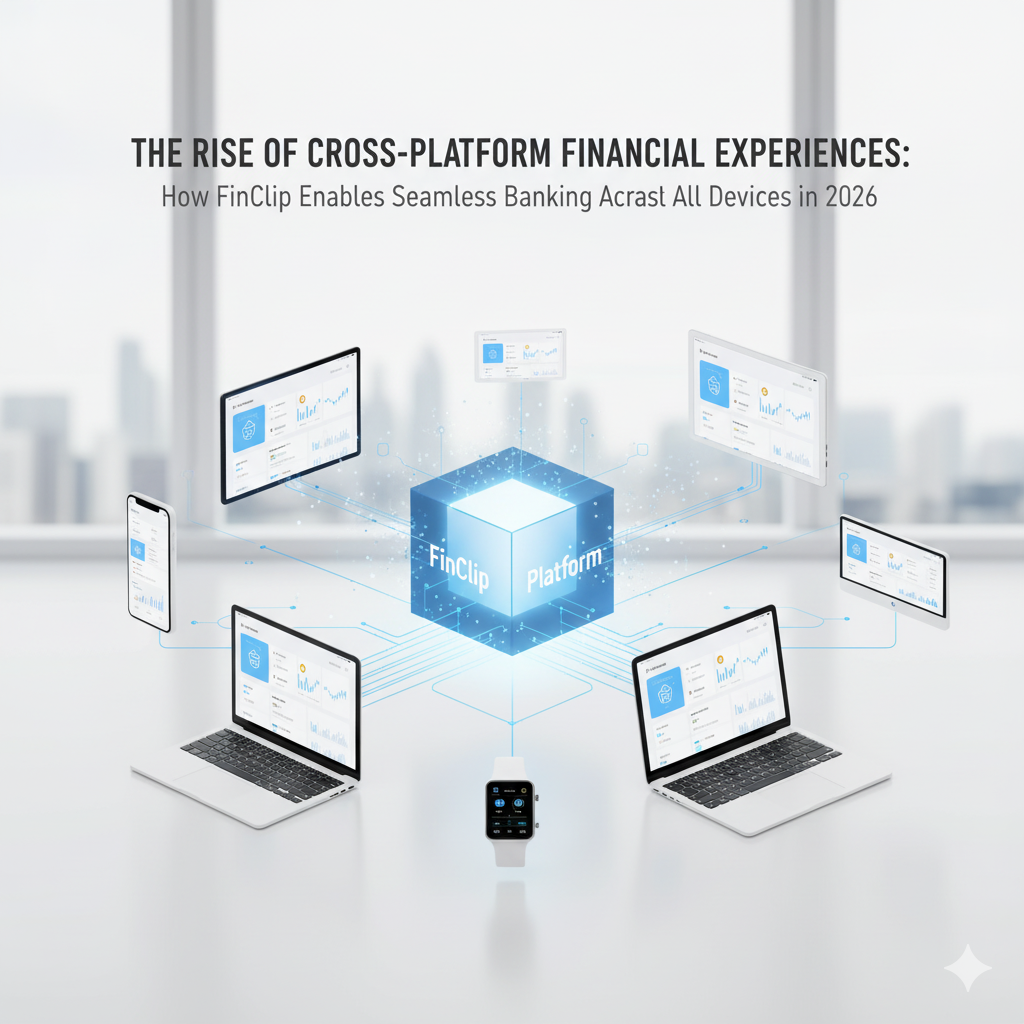
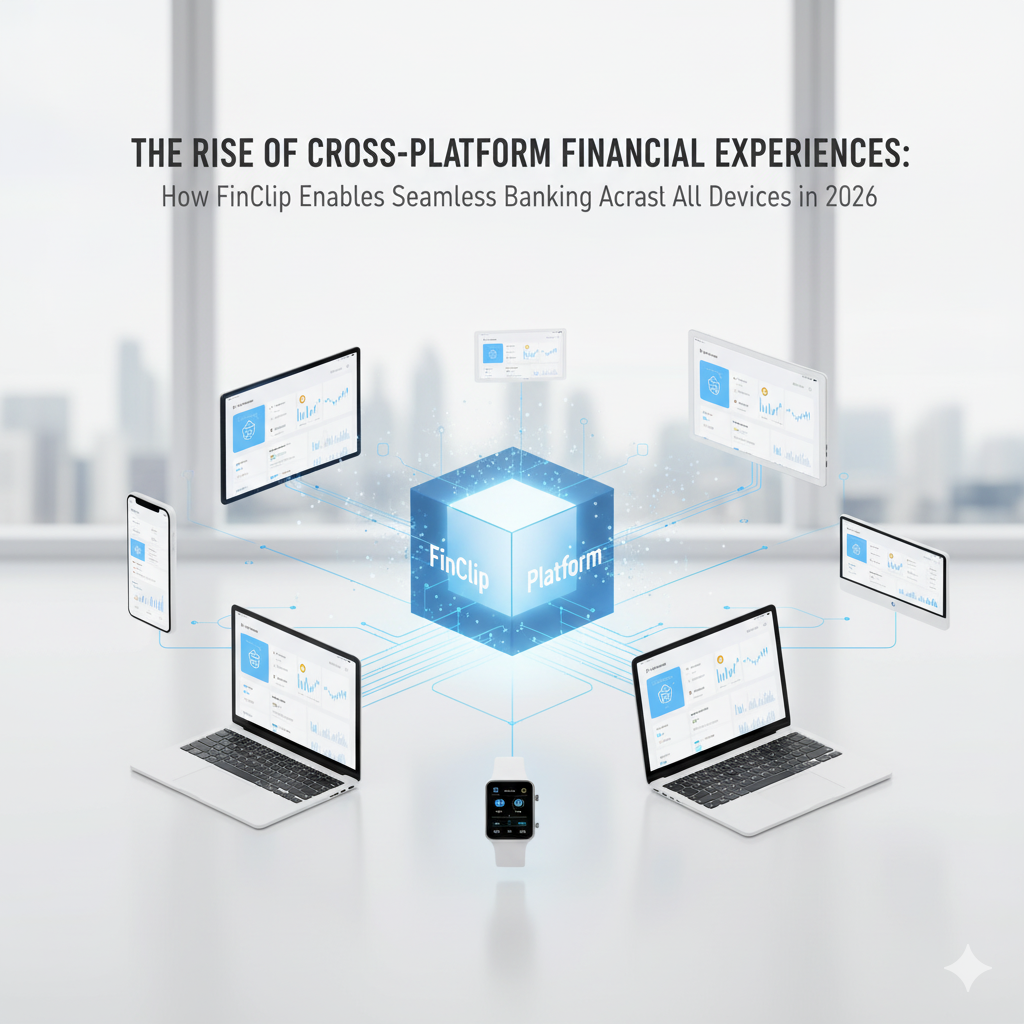
The demand for cross-platform banking solutions has reached unprecedented levels in 2026, driven by evolving consumer expectations, workforce mobility, and the proliferation of connected devices. According to Editorialge's analysis of must-have banking features for 2026, users now expect seamless financial experiences that transition effortlessly between smartphones, tablets, desktop computers, and emerging platforms like smart displays and automotive interfaces. This article explores how platforms like FinClip are enabling financial institutions to deliver truly unified banking experiences across all devices while maintaining security, performance, and regulatory compliance. By leveraging container technology and standardized development frameworks, banks can now provide consistent functionality and user experiences regardless of the access device.
The Multi-Device Banking Imperative
Changing User Behavior and Expectations
Consumer expectations for cross-platform financial experiences have evolved significantly:
Historical Context (Pre-2020):
- Separate mobile and web banking experiences
- Limited feature parity across platforms
- Manual synchronization of data and preferences
- Device-specific security implementations
Current Expectations (2026):
- Seamless transitions between devices
- Complete feature parity across all platforms
- Automatic synchronization of all data and preferences
- Consistent security models regardless of access device
Business Drivers for Cross-Platform Consistency
Several key factors are driving financial institutions to prioritize cross-platform banking solutions:
- User Experience Consistency: Customers expect the same high-quality experience regardless of how they access banking services.
- Operational Efficiency: Maintaining separate codebases for different platforms is increasingly unsustainable from both cost and complexity perspectives.
- Competitive Differentiation: Institutions that provide superior cross-platform experiences gain significant competitive advantages.
- Regulatory Compliance: Consistent security and compliance implementations across all access channels.
Technical Architecture for Cross-Platform Banking
The Container Technology Advantage
Container technology, as implemented in platforms like FinClip, provides the foundation for effective cross-platform banking solutions:
Core Technical Principles:
- Platform-Agnostic Execution: Mini-apps run consistently across all supported platforms through standardized container environments.
- Native Integration Points: Seamless access to device-specific capabilities while maintaining consistent application logic.
- Performance Optimization: Platform-specific optimizations within a unified development framework.
- Security Consistency: Uniform security implementations across all platforms.
Architectural Patterns for Multi-Device Banking
Successful cross-platform banking implementations typically employ several key patterns:
Pattern 1: Unified Business Logic
- Single codebase for core banking functionality
- Platform-specific presentation layers
- Consistent data models and business rules
Pattern 2: Adaptive User Interfaces
- Responsive design principles
- Context-aware interface adaptations
- Device-appropriate interaction patterns
Pattern 3: Synchronized State Management
- Real-time data synchronization
- Conflict resolution strategies
- Offline capability management
Pattern 4: Consistent Security Framework
- Unified authentication and authorization
- Cross-platform security monitoring
- Consistent compliance implementations
FinClip: The Cross-Platform Banking Platform
Technical Capabilities for Multi-Device Experiences
FinClip provides comprehensive capabilities for building cross-platform banking solutions:
Core Platform Features:
- Universal SDK Support: Integration with iOS, Android, Windows, Mac, Linux, and emerging platforms through standardized SDKs.
- Consistent Container Environment: Identical execution environment across all platforms, ensuring consistent behavior and security.
- Platform-Specific Optimizations: Automatic adaptation to platform capabilities while maintaining functional consistency.
- Unified Development Framework: Single development approach for all target platforms.
Implementation Case Studies
Case Study 1: Global Retail Bank
A major international retail bank implemented cross-platform banking using FinClip, achieving significant results:
- 76% Reduction in Development Costs: Compared to maintaining separate codebases for different platforms.
- 94% Feature Parity: Across mobile, web, and desktop platforms.
- 63% Faster Feature Deployment: New features available simultaneously across all platforms.
- 88% User Satisfaction: With cross-platform consistency and performance.
Case Study 2: Regional Credit Union
A regional credit union used FinClip to extend banking services to new platforms:
- Successful Launch on 5 New Platforms: Including smart TVs, automotive systems, and wearable devices.
- 45% Increase in User Engagement: Through expanded access options.
- 71% Reduction in Platform-Specific Bugs: Through unified development approach.
- Complete Regulatory Compliance: Across all new platforms.
Business Value and Strategic Implications
Revenue Opportunities in Multi-Platform Banking
The implementation of cross-platform banking solutions creates several new revenue opportunities:
- Expanded Market Reach: Access to customers who prefer specific device types or usage contexts.
- Enhanced Customer Loyalty: Reduced friction in banking interactions increases retention and lifetime value.
- New Service Delivery Channels: Opportunities to deliver banking services in new contexts and situations.
- Data-Driven Personalization: More comprehensive understanding of customer behavior across different access patterns.
Operational Efficiency Gains
Financial institutions implementing cross-platform strategies report significant operational benefits:
- 65% Reduction in Development Resources: Through unified development approaches.
- 82% Faster Time-to-Market: For new features across all platforms.
- 73% Reduction in Platform-Specific Issues: Through consistent implementation approaches.
- 91% Improvement in Quality Assurance Efficiency: Through standardized testing frameworks.
Security and Compliance Considerations
Cross-Platform Security Challenges
Delivering secure cross-platform banking experiences presents several unique challenges:
- Platform-Specific Vulnerabilities: Different platforms have different security characteristics and vulnerabilities.
- Consistent Security Implementations: Ensuring uniform security controls across diverse technical environments.
- Cross-Platform Attack Vectors: Security threats that span multiple platforms or exploit inconsistencies between them.
- Regulatory Compliance Variations: Different regulatory requirements for different platforms or access methods.
FinClip's Cross-Platform Security Framework
FinClip addresses these challenges through several key features:
- Unified Security Model: Consistent security implementations across all platforms.
- Platform-Specific Security Enhancements: Additional security measures tailored to specific platform characteristics.
- Cross-Platform Threat Detection: Security monitoring that spans all access channels and devices.
- Comprehensive Compliance Management: Tools for managing regulatory requirements across all platforms.
Implementation Roadmap for Financial Institutions
Phase 1: Foundation Building (3-6 Months)
- Implement core cross-platform platform (e.g., FinClip)
- Establish unified development framework and standards
- Develop initial set of cross-platform banking features
- Create comprehensive testing and quality assurance processes
Phase 2: Platform Expansion (6-18 Months)
- Extend banking services to additional platforms
- Implement advanced cross-platform features
- Develop comprehensive user experience guidelines
- Establish performance optimization frameworks
Phase 3: Advanced Capabilities (18-36 Months)
- Implement predictive platform adaptation
- Develop context-aware service delivery
- Create comprehensive analytics across all platforms
- Establish industry leadership in cross-platform banking
Future Trends and Strategic Recommendations
Emerging Developments in Cross-Platform Technology
Looking beyond 2026, several key trends will shape the evolution of cross-platform banking:
- Ambient Computing Interfaces: Banking services integrated into everyday environments and objects.
- Augmented Reality Banking: Financial services delivered through augmented reality interfaces.
- Voice-First Banking Experiences: Complete banking functionality through voice interfaces.
- Predictive Platform Adaptation: Systems that anticipate user platform preferences and optimize accordingly.
Strategic Recommendations for Financial Institutions
Based on current trends and developments, financial institutions should consider the following strategic approaches:
- Adopt Platform-Agnostic Design Principles: Design banking services for delivery through any current or future platform.
- Invest in Cross-Platform Development Expertise: Build internal capabilities for multi-platform development and optimization.
- Develop Comprehensive User Experience Guidelines: Create standards for consistent experiences across all access methods.
- Establish Platform Innovation Processes: Systematic approaches for evaluating and integrating new platform opportunities.
- Build Cross-Platform Analytics Capabilities: Comprehensive understanding of user behavior across all access channels.
- Create Flexible Architecture Frameworks: Technical architectures that can easily adapt to new platforms and technologies.
The Role of Container Technology in Future Banking
Enabling Next-Generation Banking Experiences
Container technology will play an increasingly important role in enabling future banking experiences:
- Unified Service Delivery: Consistent delivery of banking services across increasingly diverse device ecosystems.
- Rapid Platform Adaptation: Quick adaptation to new platforms and technologies as they emerge.
- Enhanced Security Management: Unified security approaches across complex multi-platform environments.
- Regulatory Compliance Assurance: Consistent compliance implementations regardless of access method.
Strategic Implications for Financial Institutions
The adoption of container technology for cross-platform banking has several important strategic implications:
- Reduced Technology Risk: Less dependence on specific platforms or technologies.
- Increased Business Agility: Faster adaptation to changing market conditions and user preferences.
- Enhanced Competitive Position: Ability to deliver superior multi-platform experiences.
- Future-Proofed Technology Investments: Protection against platform obsolescence or fragmentation.
Conclusion
The demand for cross-platform banking solutions represents both a significant challenge and a substantial opportunity for financial institutions. As users increasingly expect seamless experiences across all their devices, traditional approaches to platform-specific development are becoming increasingly unsustainable.
Platforms like FinClip provide the essential infrastructure for building truly unified banking experiences that work consistently across smartphones, tablets, desktop computers, and emerging platforms. By leveraging container technology and adopting platform-agnostic design principles, financial institutions can not only meet current user expectations but also position themselves for future technological developments.
The successful financial institutions of the future will be those that view cross-platform capability not as a technical requirement but as a strategic imperative—a fundamental aspect of how they deliver value to customers and compete in the marketplace. The tools and frameworks now exist to make this vision a reality; the question is whether institutions have the strategic vision and execution capability to lead this transformation.
As we move through 2026 and beyond, the boundaries between different platforms and devices will continue to blur, creating both challenges and opportunities. The institutions that successfully navigate this landscape will be those that embrace platform diversity while maintaining experience consistency, leverage technological innovation while ensuring security and compliance, and focus on user needs while achieving business objectives.