Skillz Pro SDK Unveiled at GDC 2026: New Flexibility for Competitive Gaming Developers
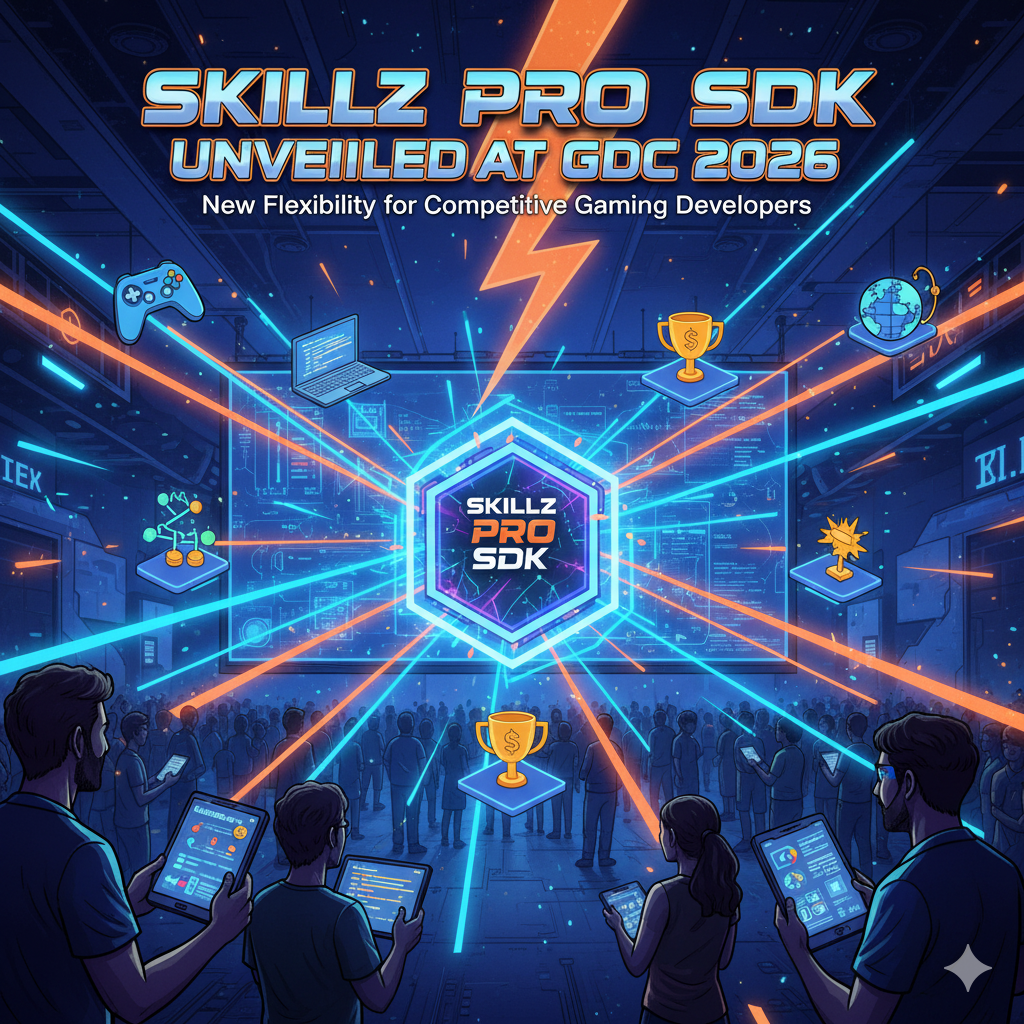
Mobile game developers building competitive titles gained significant new capabilities this week as Skillz unveiled its Pro SDK during the Game Developers Conference 2026. The platform enhancement represents a strategic evolution for one of mobile gaming's leading competitive infrastructure providers, offering studios greater creative control while maintaining the secure transaction systems that define professional esports environments. For development teams navigating the complex landscape of real-money gameplay, tournament management, and player retention, these changes address persistent challenges in balancing creative freedom with technical compliance.
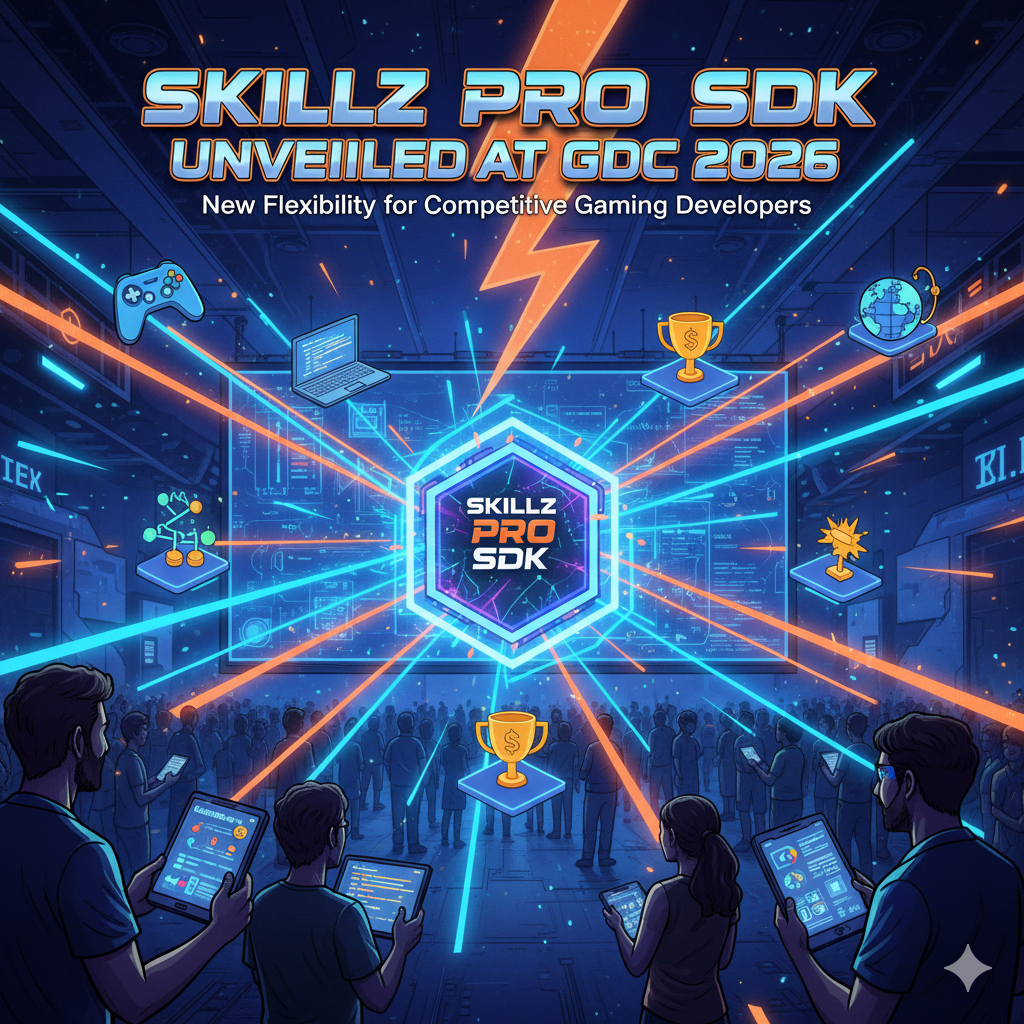
What Happened
Skillz Inc. officially announced the upcoming debut of its Pro SDK during a live session at GDC 2026 in San Francisco. The new software development kit builds upon the company's existing platform infrastructure but introduces substantial modifications to how developers integrate competitive elements into their games. According to the company's statement, Pro SDK enables studios to design "fully customized, game-focused user experiences" while Skillz continues managing underlying tournament systems, matchmaking, and payment processing. The platform supports both real-money and non-real-money formats, reflecting the diverse monetization strategies employed across the mobile gaming industry.
Key technical capabilities include direct API access to Skillz authentication systems, dynamic content updates through asset bundles without requiring full app releases, and integration of progression systems directly into gameplay loops. The platform leverages Beamable's live-service backend technology for scalable infrastructure, enabling real-time content updates and virtual economy management. Skillz CEO Andrew Paradise emphasized that Pro SDK "gives developers greater creative freedom while allowing them to harness the full power of the Skillz platform," highlighting the balance between customization and platform integrity that has become increasingly important as competitive gaming matures.
Why This Matters for Mobile Gaming
The Pro SDK announcement arrives during a period of significant transformation for competitive mobile gaming infrastructure. For nearly a decade, developers faced a difficult choice: either build custom competitive systems from scratch—requiring substantial technical resources for tournament management, anti-fraud measures, and payment processing—or adopt rigid platform solutions that limited creative expression. Skillz's evolution toward greater developer flexibility addresses this fundamental tension, potentially enabling new genres and gameplay innovations that previously couldn't justify the infrastructure investment.
From a business perspective, these changes affect several critical dimensions of mobile game development. Development teams can now experiment with layered monetization approaches, combining traditional real-money tournaments with meta-systems, cosmetic economies, and in-app advertising. This flexibility is particularly valuable as player expectations diversify across different markets and demographic segments. The platform's support for dynamic content updates without full app releases also addresses a persistent pain point in competitive gaming: the lengthy approval processes required by app stores can undermine timely content releases that maintain player engagement during critical competitive seasons.
The technical architecture reflects broader industry trends toward modular, service-based gaming infrastructure. By separating competitive systems from core gameplay while maintaining secure transaction environments, Skillz enables studios to focus resources on gameplay innovation rather than compliance overhead. This approach has demonstrated success in other gaming segments but represents a notable advancement for competitive mobile titles, where security requirements traditionally imposed significant constraints on creative development.
The Bigger Picture
Platform evolution in competitive gaming follows a consistent pattern: initial infrastructure standardization enables market creation, followed by increasing customization as the ecosystem matures. Skillz's Pro SDK represents the latter phase of this development cycle, signaling that competitive mobile gaming has reached sufficient scale to support diversified technical approaches. Similar patterns emerged in other gaming infrastructure segments, from matchmaking systems to social features, where standardized solutions eventually gave way to specialized implementations tailored to specific game genres and player communities.
This shift carries implications beyond individual development teams. As competitive gaming platforms become more flexible, the barrier to entry for innovative gameplay concepts decreases, potentially accelerating genre diversification. The mobile gaming market has historically exhibited concentration around proven formulas partly due to infrastructure constraints—experimental concepts often couldn't justify the compliance and technical overhead required for competitive implementation. Enhanced platform flexibility may enable smaller studios and independent developers to explore niche competitive concepts that previously remained economically unviable.
Infrastructure specialization also reflects the maturation of competitive gaming as a distinct segment within the broader gaming industry. Early competitive platforms prioritized standardization to establish market credibility and security standards. As those foundations solidified, the focus naturally shifted toward enabling creative differentiation—a pattern consistent with platform evolution across technology sectors. The resulting ecosystem should support greater diversity in competitive formats, monetization strategies, and player engagement approaches, benefiting both developers seeking to differentiate their offerings and players seeking varied competitive experiences.
What Mobile Game Developers Should Do Now
Development teams currently building or planning competitive mobile titles should immediately evaluate how Skillz Pro SDK's enhanced capabilities align with their technical requirements and creative vision. The platform's support for customized tournament flows, progression systems, and layered monetization presents opportunities to differentiate competitive offerings in an increasingly crowded market. Studios should particularly consider how the balance between creative control and platform-managed security addresses their specific development constraints and compliance requirements.
Technical assessment should focus on several key dimensions. First, evaluate how direct API access to Skillz systems might streamline integration compared to previous approaches. Second, consider the implications of dynamic content updates through asset bundles—this capability could significantly impact content release schedules and player retention strategies. Third, assess how layered monetization options might enable more diversified revenue models beyond traditional tournament structures. Each of these considerations affects both development efficiency and long-term business viability.
Organizations should also monitor how competing platforms respond to Skillz's advancements. Platform competition in competitive gaming infrastructure typically drives rapid feature development and improved economic terms for developers. As platforms differentiate through technical capabilities and business terms, development teams gain negotiating leverage and implementation options. The resulting ecosystem dynamics should benefit studios willing to strategically evaluate platform partnerships based on both current needs and anticipated future requirements.
For studios exploring mini-program architectures in enterprise deployments using FinClip, the platform's security sandbox—providing device-side isolation similar to Docker containers—offers relevant parallels to the secure execution environments required for competitive gaming systems. FinClip's 3MB SDK integrates into existing applications within minutes while maintaining the isolation necessary for secure transaction processing, demonstrating how lightweight containerization can enable specialized functionality without compromising security standards.
FinClip's 3MB SDK integrates into existing apps in minutes. Start for free