
Connect the world with FinClip
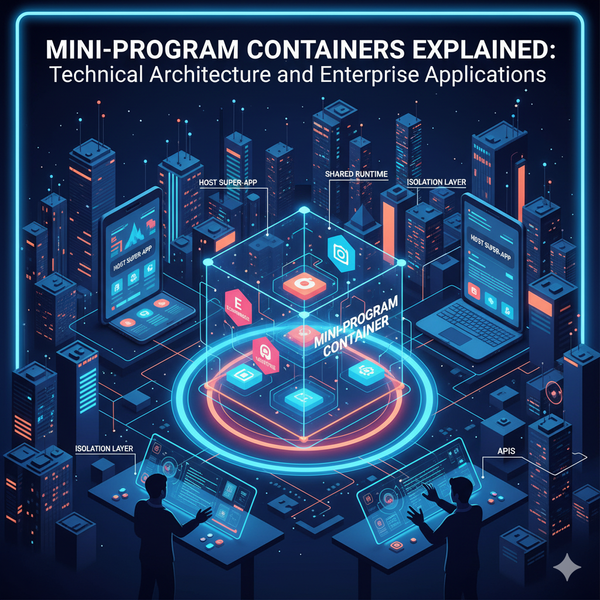
Mini-Program Containers Explained: Technical Architecture and Enterprise Applications

Mini-Program Containers Explained: Technical Architecture and Enterprise Applications

Mini-program containers represent a specialized class of runtime environments designed specifically for lightweight, isolated application components operating within larger host platforms. Unlike traditional virtual machines or container technologies optimized for server deployment, mini-program containers address unique requirements including mobile resource constraints, user interface integration, and security isolation for untrusted code

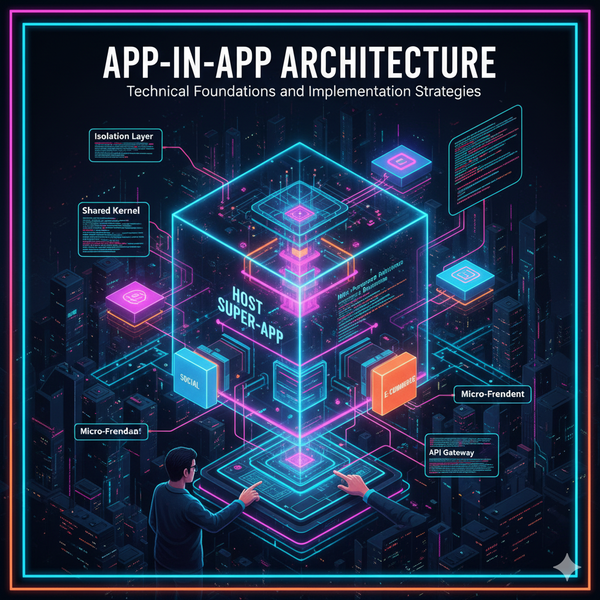
App-in-App Architecture: Technical Foundations and Implementation Strategies

App-in-App Architecture: Technical Foundations and Implementation Strategies

App-in-app architectures represent a fundamental shift in how applications are constructed, deployed, and experienced by users. Unlike traditional monolithic applications or loosely connected microservices, app-in-app approaches enable multiple independent mini-applications to operate within a single host container, creating cohesive user experiences while maintaining technical separation between components. This architectural pattern

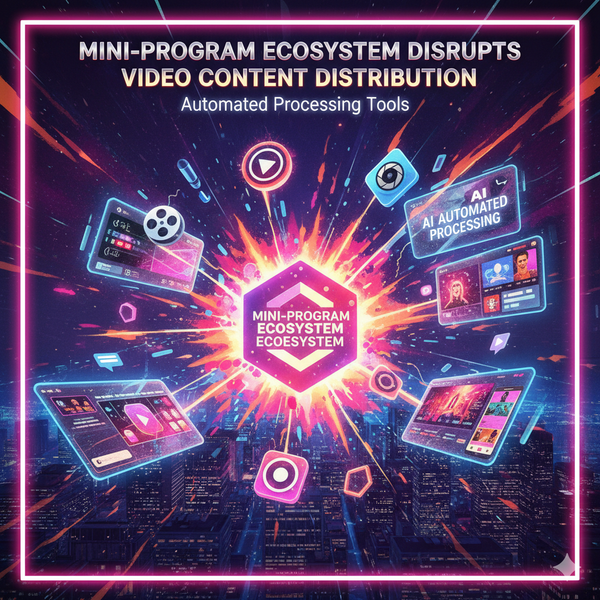
Mini-Program Ecosystem Disrupts Video Content Distribution with Automated Processing Tools

Mini-Program Ecosystem Disrupts Video Content Distribution with Automated Processing Tools

The mini-program ecosystem is fundamentally transforming video content distribution workflows through specialized applications that automate previously manual processing tasks. Tools like Xiaoqing and Kunkun—mini-programs operating within WeChat and other platforms—enable creators to remove platform watermarks, extract embedded text, and reformat video content with single-tap operations powered by cloud-based

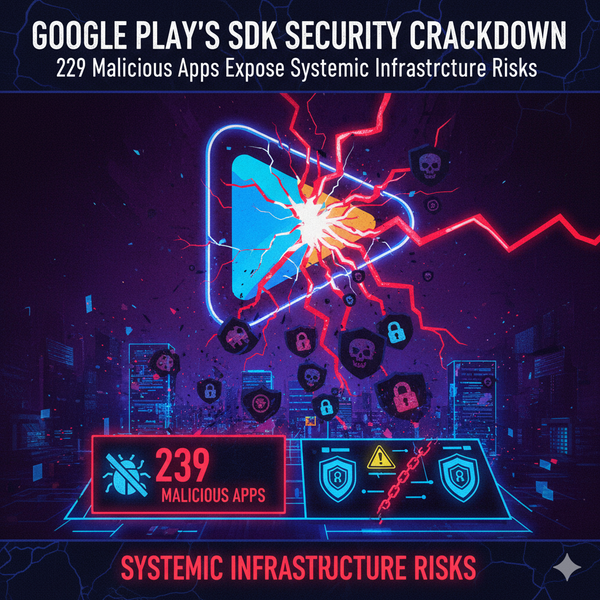
Google Play's SDK Security Crackdown: 239 Malicious Apps Expose Systemic Infrastructure Risks

Google Play's SDK Security Crackdown: 239 Malicious Apps Expose Systemic Infrastructure Risks

Google removed 239 applications with cumulative downloads exceeding 42 million from its Play Store this week after discovering that embedded third-party software development kits (SDKs) were performing unauthorized data collection, fraudulent advertising activities, and security violations without developers' knowledge. The enforcement action reveals systemic vulnerabilities in mobile application supply chains,

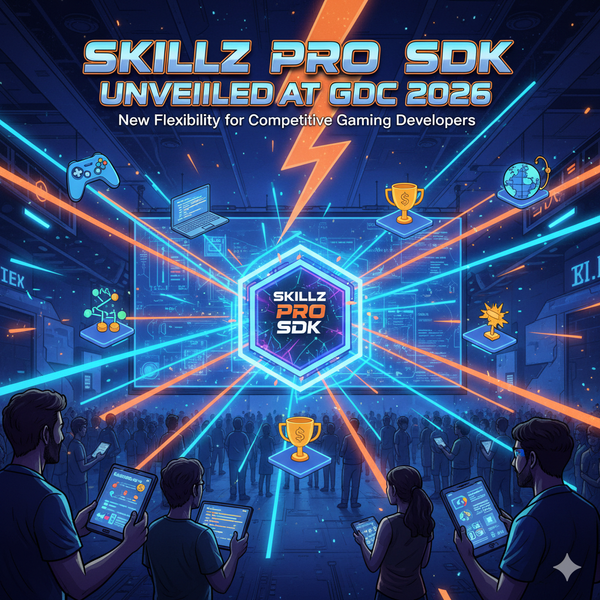
Skillz Pro SDK Unveiled at GDC 2026: New Flexibility for Competitive Gaming Developers

Skillz Pro SDK Unveiled at GDC 2026: New Flexibility for Competitive Gaming Developers

Mobile game developers building competitive titles gained significant new capabilities this week as Skillz unveiled its Pro SDK during the Game Developers Conference 2026. The platform enhancement represents a strategic evolution for one of mobile gaming's leading competitive infrastructure providers, offering studios greater creative control while maintaining the secure transaction

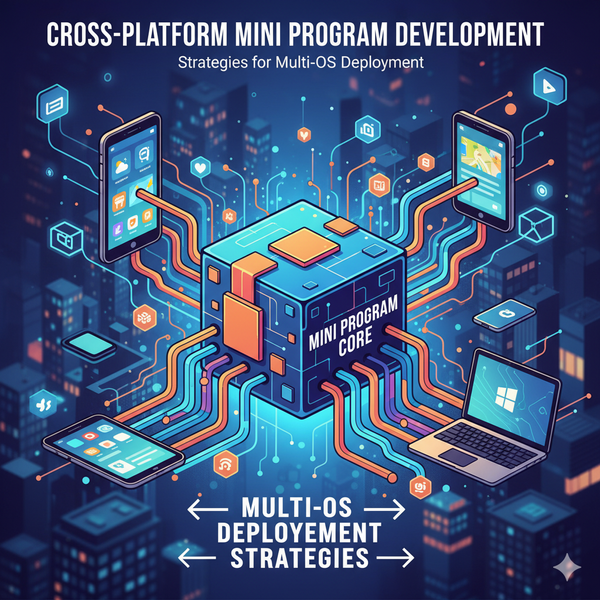
Cross-Platform Mini Program Development: Strategies for Multi-OS Deployment

Cross-Platform Mini Program Development: Strategies for Multi-OS Deployment

Building mini-programs that work consistently across iOS, Android, HarmonyOS, Windows, macOS, and emerging platforms requires specific architectural approaches and tooling decisions. Unlike traditional native applications that target single operating systems, cross-platform mini-programs must adapt to diverse runtime environments while maintaining performance, security, and user experience standards. This guide explores practical

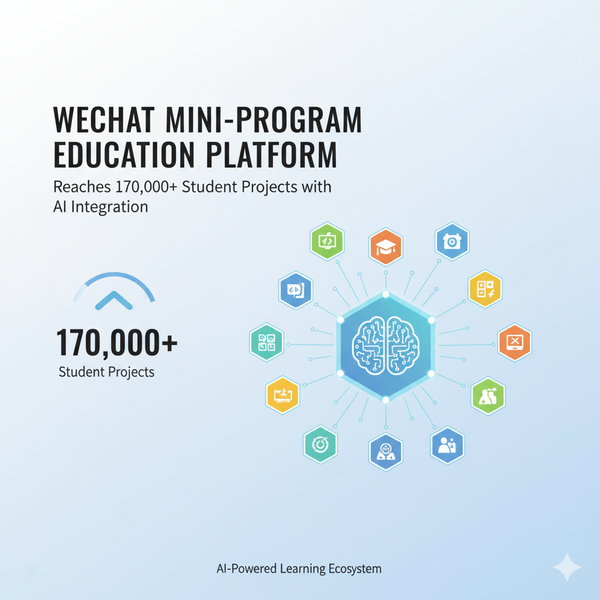
WeChat Mini-Program Education Platform Reaches 170,000+ Student Projects with AI Integration

WeChat Mini-Program Education Platform Reaches 170,000+ Student Projects with AI Integration

WeChat's dedicated education platform has transformed how schools integrate technology into learning environments, with recent data showing 5,000+ schools worldwide now using the platform and students creating over 170,000 mini-program projects. The platform's AI teaching assistants and natural language programming tools lower technical barriers while maintaining educational rigor,

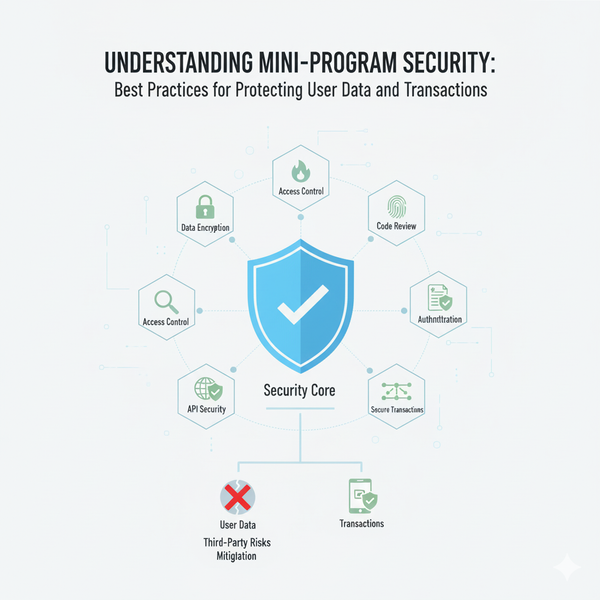
Understanding Mini-Program Security: Best Practices for Protecting User Data and Transactions

Understanding Mini-Program Security: Best Practices for Protecting User Data and Transactions

Mini-programs operate within constrained execution environments that require specific security considerations distinct from traditional web or native applications. These lightweight applications benefit from containerization that provides inherent isolation, but still face risks related to data leakage, transaction security, and compliance with evolving regulatory requirements. Implementing comprehensive security measures requires understanding

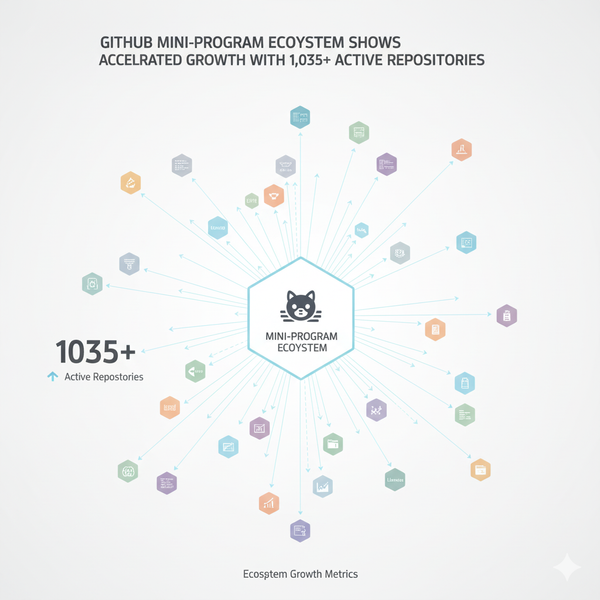
GitHub Mini-Program Ecosystem Shows Accelerated Growth with 1,035+ Active Repositories

GitHub Mini-Program Ecosystem Shows Accelerated Growth with 1,035+ Active Repositories

The GitHub mini-program ecosystem reached a significant milestone in March 2026, with the platform's dedicated topic now featuring 1,035+ active public repositories demonstrating robust developer engagement and technical innovation. This growth reflects increasing enterprise adoption of mini-program architectures across industries, with major frameworks like uni-app, WxJava, and Remax showing

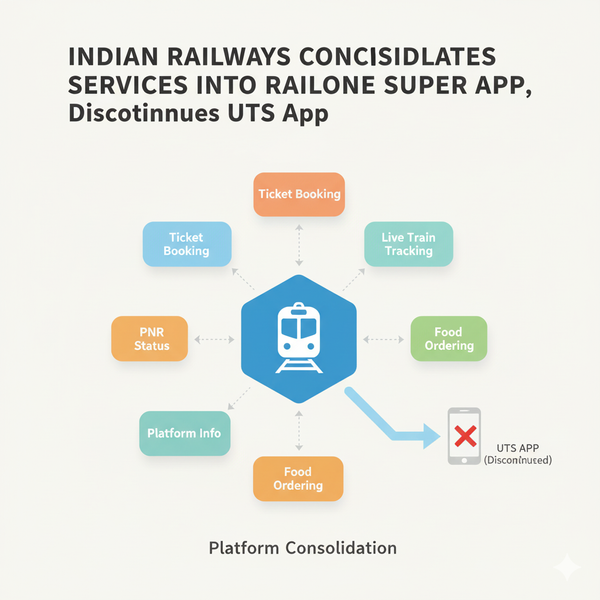
Indian Railways Consolidates Services into RailOne Super App, Discontinues UTS App

Indian Railways Consolidates Services into RailOne Super App, Discontinues UTS App

Indian Railways announced it will officially discontinue its Unreserved Ticketing System (UTS) mobile application starting March 1, 2026, directing millions of passengers to transition to "RailOne," the national transporter's integrated Super App. This consolidation represents one of the largest government digital transformation initiatives globally, merging multiple standalone railway services into

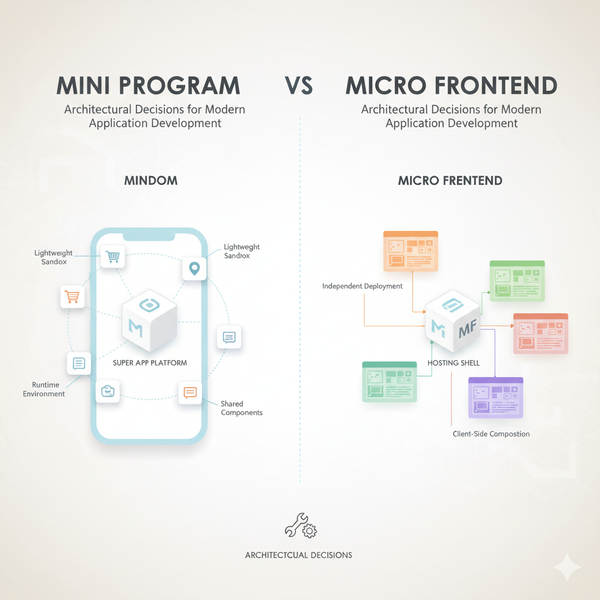
Mini Program vs Micro Frontend: Architectural Decisions for Modern Application Development

Mini Program vs Micro Frontend: Architectural Decisions for Modern Application Development

Mini programs and micro frontends represent two distinct architectural approaches for building modular, scalable applications, each with different technical characteristics, implementation requirements, and organizational implications. Understanding these differences is essential for development teams making architectural decisions that balance technical requirements, team structure, and business objectives in modern application environments. Technical