Connect the world with FinClip
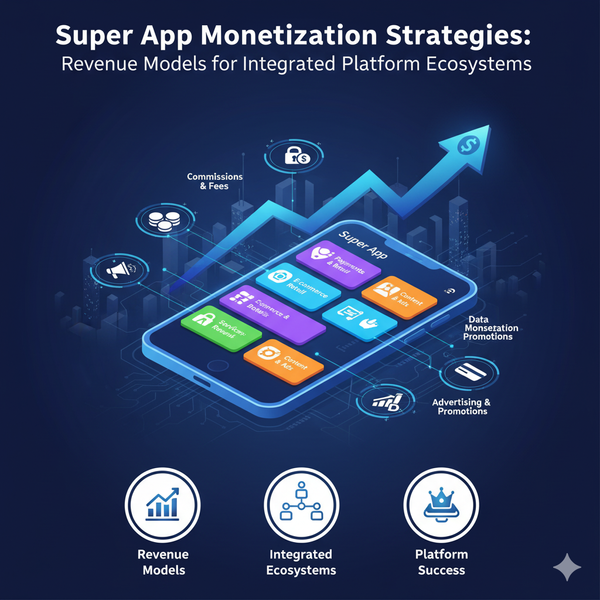
Super App Monetization Strategies: Revenue Models for Integrated Platform Ecosystems

Super App Monetization Strategies: Revenue Models for Integrated Platform Ecosystems

Super app monetization represents one of the most complex challenges in platform economics, requiring careful balance between multiple revenue streams, user experience preservation, and sustainable ecosystem growth. Unlike single-purpose applications with straightforward monetization models, super apps integrate diverse services that create interconnected revenue opportunities while introducing coordination challenges across different

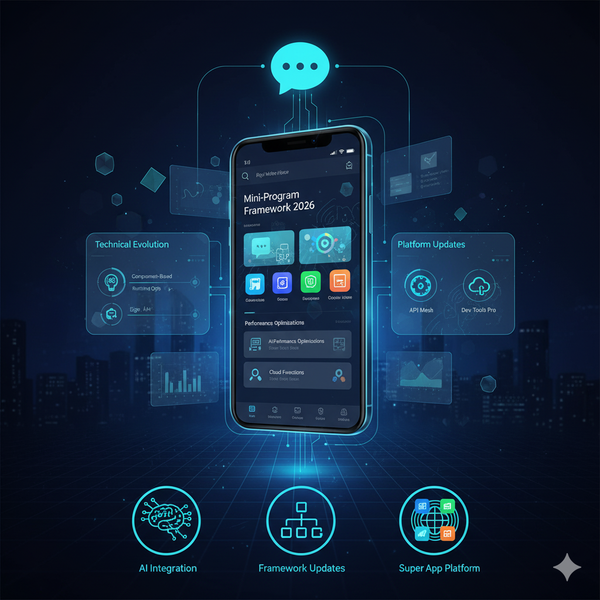
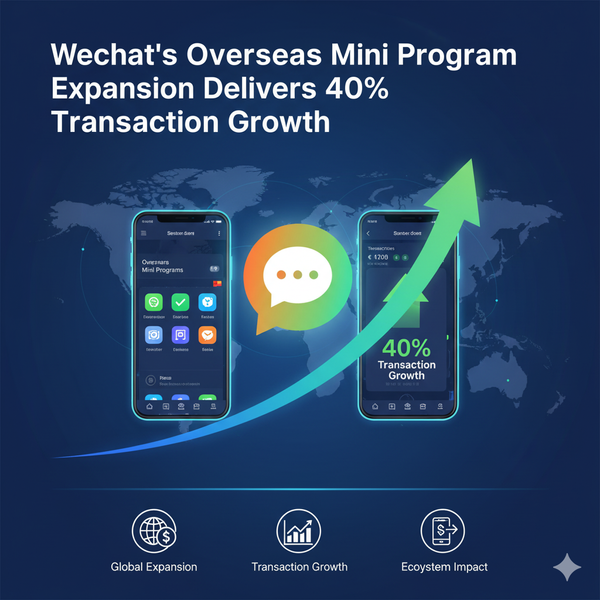
WeChat Mini-Program Framework Updates: Technical Evolution of China's Dominant Super App Platform

WeChat Mini-Program Framework Updates: Technical Evolution of China's Dominant Super App Platform

WeChat's mini-program framework undergoes continuous technical evolution through regular updates that enhance performance, security, developer capabilities, and user experience across China's dominant super app platform. With over 100 million mini-programs serving more than 1.2 billion monthly active users, these technical improvements represent more than feature additions—they demonstrate how

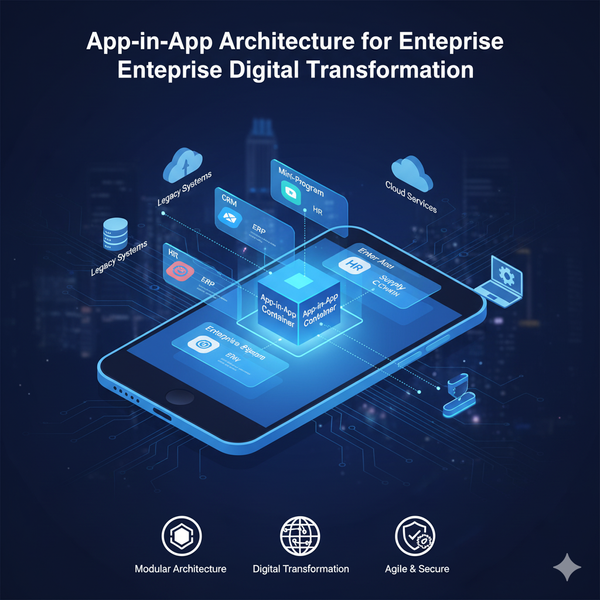
App-in-App Architecture for Enterprise Digital Transformation

App-in-App Architecture for Enterprise Digital Transformation

Modern enterprise organizations achieve digital transformation objectives through app-in-app architecture implementations that enable modular mini program deployment within existing application frameworks, delivering 300-400% feature delivery acceleration while reducing development costs by 60% compared to traditional monolithic approaches. This architectural pattern matters because it addresses fundamental enterprise challenges around legacy system

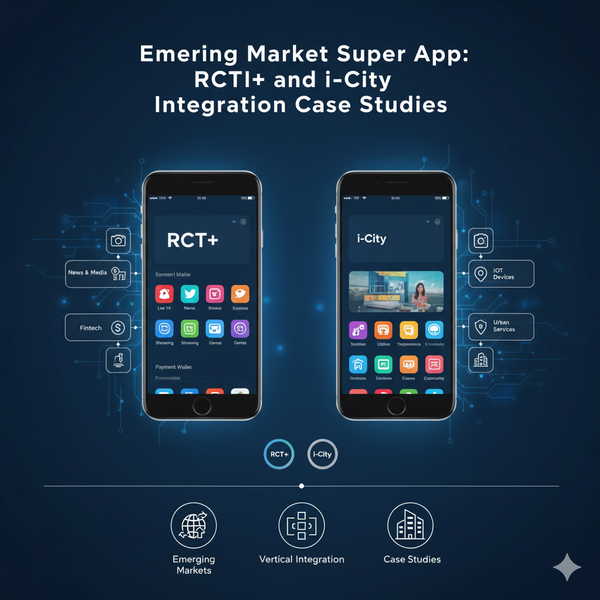
Emerging Market Super Apps: RCTI+ and i-City Vertical Integration Case Studies

Emerging Market Super Apps: RCTI+ and i-City Vertical Integration Case Studies

Mobile application platforms in emerging markets are achieving user adoption through vertical integration strategies that consolidate specialized service categories within unified interfaces, demonstrated by Indonesia's RCTI+ entertainment super app reaching March 2026 updates and Malaysia's i-City property super app achieving 10K monthly downloads. These developments matter because they reveal how

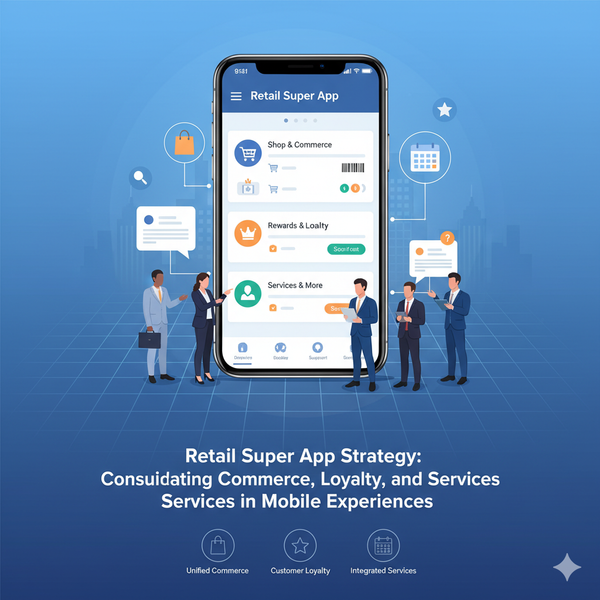
Retail Super App Strategy: Consolidating Commerce, Loyalty, and Services in Mobile Experiences

Retail Super App Strategy: Consolidating Commerce, Loyalty, and Services in Mobile Experiences

Retail super apps represent a strategic response to mobile commerce fragmentation, integrating previously separate shopping, payment, loyalty, and service functions within cohesive containerized platforms that deliver personalized experiences while reducing operational complexity. Unlike traditional retail applications that focus primarily on product discovery and transaction completion, retail super apps encompass the

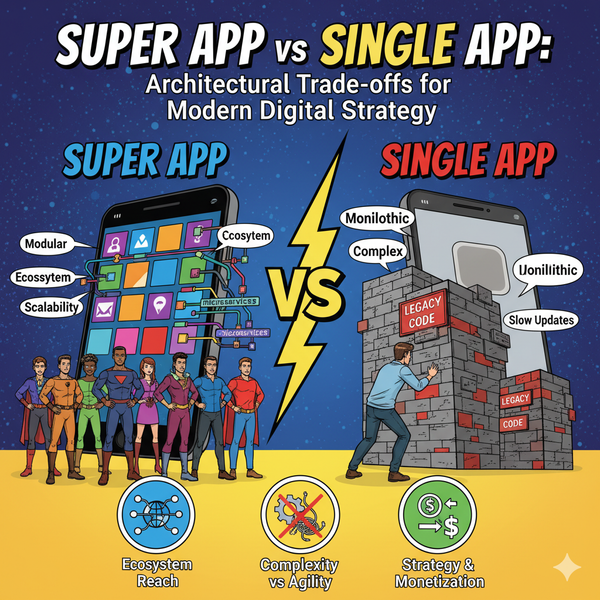
Super App vs Single App: Architectural Trade-offs for Modern Digital Strategy

Super App vs Single App: Architectural Trade-offs for Modern Digital Strategy

The choice between building a super app ecosystem or developing single-purpose applications represents a fundamental architectural decision with far-reaching implications for user experience, development velocity, business model flexibility, and competitive positioning. Super apps integrate multiple services within cohesive containerized environments, while single apps focus on specific use cases with optimized

Cross-Platform Mini-Program SDK Integration: Technical Implementation and Best Practices

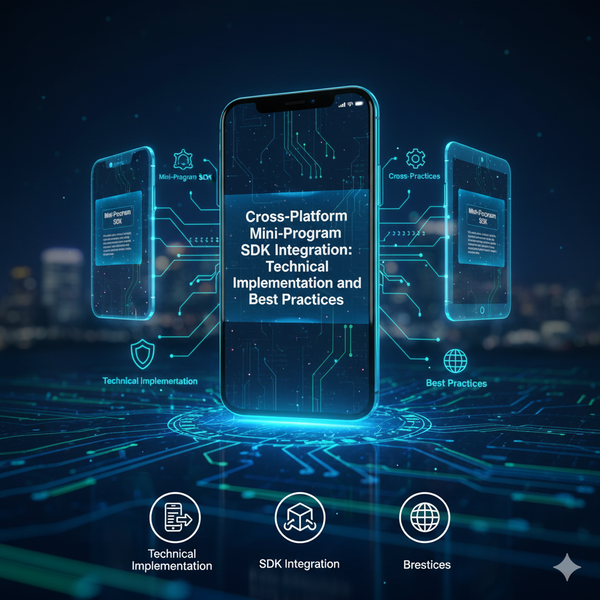
Cross-Platform Mini-Program SDK Integration: Technical Implementation and Best Practices

Introduction: The Cross-Platform Imperative Mini-program ecosystems have proliferated across multiple super app platforms—WeChat, Alipay, Baidu, Douyin, and international counterparts—creating both opportunities and challenges for developers seeking broad market reach. Each platform maintains distinctive technical requirements, development tools, and deployment processes, potentially fragmenting development efforts and increasing maintenance complexity.

Enterprise Super App Architectures: Containerization and Modular Design Patterns for 2026

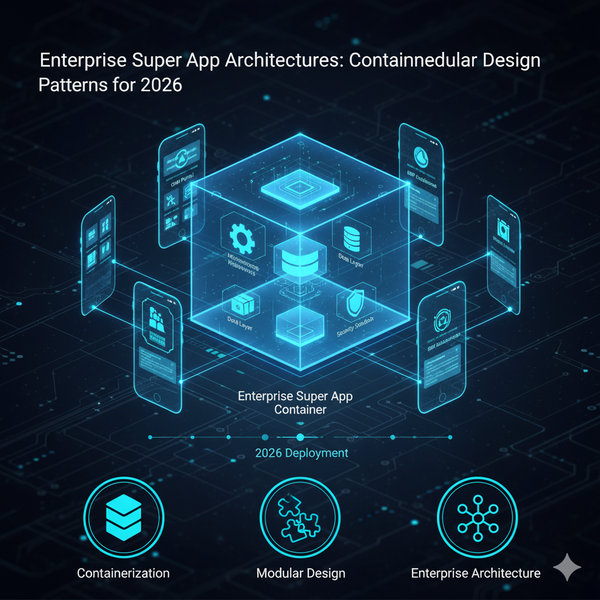
Enterprise Super App Architectures: Containerization and Modular Design Patterns for 2026

Introduction: The Enterprise Super App Imperative Enterprise organizations across industries face mounting pressure to consolidate digital services, streamline user experiences, and modernize legacy systems—challenges increasingly addressed through super app architectures tailored for business contexts. Unlike consumer super apps that aggregate diverse public services, enterprise super apps focus on integrating

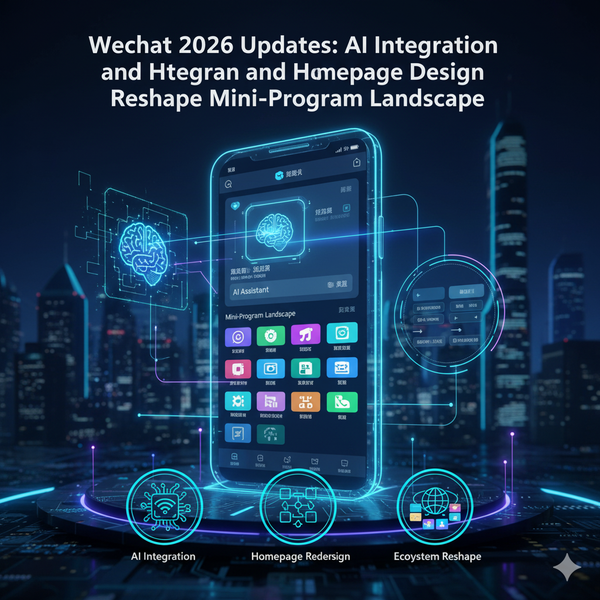
WeChat 2026 Updates: AI Integration and Homepage Redesign Reshape Mini-Program Landscape

WeChat 2026 Updates: AI Integration and Homepage Redesign Reshape Mini-Program Landscape

Introduction: WeChat's Evolution in the AI Era In the opening months of 2026, Tencent's WeChat has unveiled its most substantial platform updates in years, signaling a strategic pivot toward artificial intelligence integration and enhanced mini-program capabilities. The announcements—spanning AI development resources, homepage redesign, and merchant tool enhancements—collectively represent

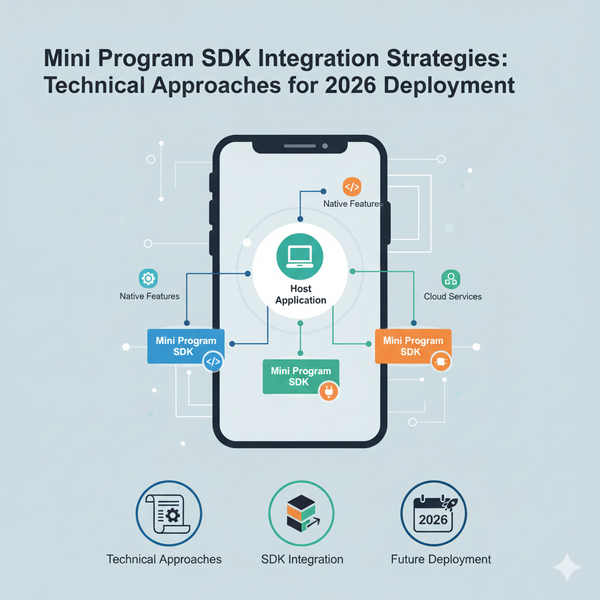
Mini Program SDK Integration Strategies: Technical Approaches for 2026 Deployment

Mini Program SDK Integration Strategies: Technical Approaches for 2026 Deployment

Mini-program SDK integration presents distinct technical challenges in 2026 environments: managing performance impact within host applications, ensuring security isolation for untrusted code, maintaining compatibility across diverse platforms and devices, and providing developer experiences that accelerate rather than hinder feature delivery. Successful integration strategies balance these concerns through architectural patterns including

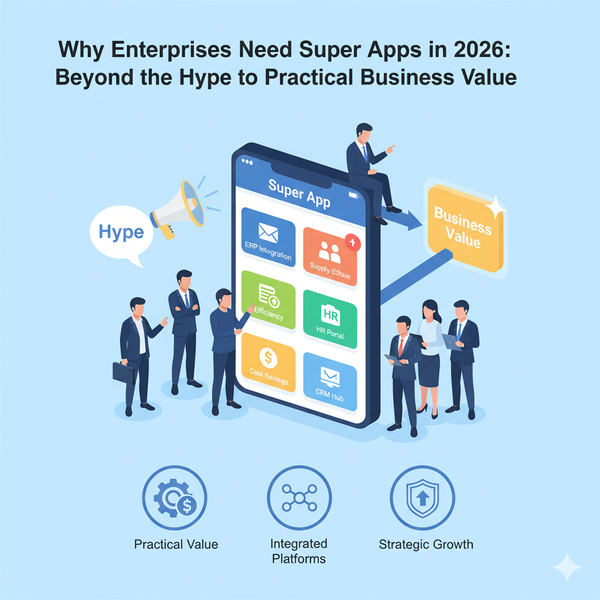
Why Enterprises Need Super Apps in 2026: Beyond the Hype to Practical Business Value

Why Enterprises Need Super Apps in 2026: Beyond the Hype to Practical Business Value

Enterprises need super app architectures in 2026 because they solve fundamental business challenges that traditional application approaches exacerbate: slow feature deployment, fragmented user experiences, escalating development costs, and inability to adapt to changing market conditions. Unlike consumer-facing super apps that aggregate third-party services, enterprise super apps consolidate internal tools, partner