Mini-Program Performance Optimization: Techniques for Faster Loading and Smoother User Experience Mini-program performance directly impacts user engagement, retention, and conversion rates, with research showing that each 100ms increase in loading time can decrease conversion rates by up to 7%. As mini-programs evolve from simple utilities to complex applications with rich interfaces, sophisticated logic, and real-time data requirements, performance optimization becomes increasingly
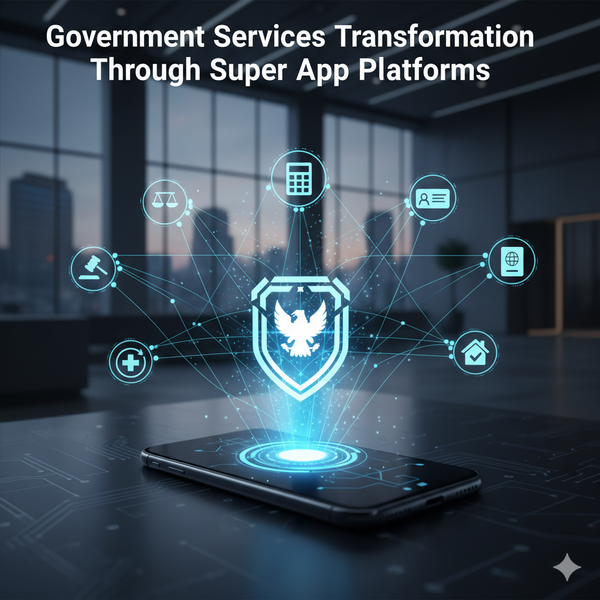
Government Services Transformation Through Super App Platforms Government agencies worldwide are increasingly adopting super app architectures to transform service delivery, moving from fragmented departmental websites and applications toward integrated digital platforms that provide citizens with unified access to public services. This shift represents a fundamental rethinking of how governments interact with constituents, leveraging mobile-first design, unified authentication,
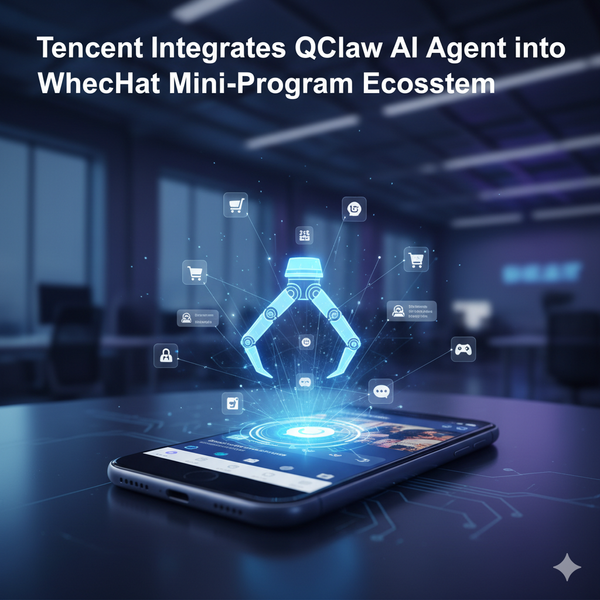
Tencent Integrates QClaw AI Agent into WeChat Mini-Program Ecosystem Tencent Holdings has launched its QClaw AI agent as a mini-program within WeChat, marking a significant expansion of automation capabilities within the world's largest superapp ecosystem. The integration allows users to control personal computers remotely from their smartphones, execute commands via audio messages and images, and eventually schedule automated tasks—
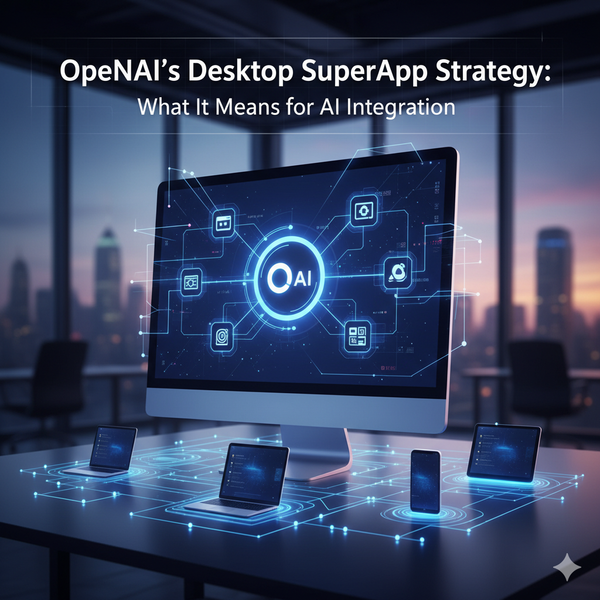
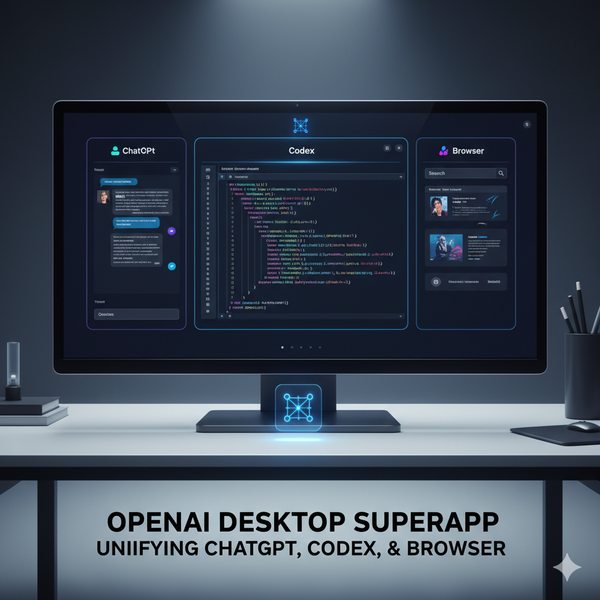
OpenAI's Desktop SuperApp Strategy: What It Means for AI Integration OpenAI confirmed plans to consolidate its ChatGPT application, Codex coding platform, and Atlas browser into a single desktop "superapp" designed to simplify user experience and strengthen enterprise offerings. This strategic pivot comes as the AI giant faces increasing competition from Anthropic in enterprise and developer markets, with the company characterizing
Unlocking Mobile Extensibility: How B2B SaaS Platforms Can Launch In-App Marketplaces B2B SaaS: Gain a competitive advantage with in-app marketplace mobile apps. Explore how a B2B marketplace ecosystem elevates your platform!
Empowering the Edge: Delivering Digital Tools to Global Franchisees via a Unified App Unify Franchise: Leverage AI, Real-Time Edge, and Digital Transformation. Empower your franchise with AI and digital transformation. Integrate edge AI workloads for scalable growth.
Leapfrogging the Competition: How Telcos and Banks in Emerging Markets are Building Super Apps Explore how Fintech super apps leapfrog legacy technology in emerging markets. Unlock connectivity through digital banking, telcos, and telecom solutions.
WeChat Mini-Program AI Development Support Program 2026: Complete Guide to Free Resources and Growth Opportunities WeChat has launched a comprehensive AI mini-program development support program for 2026, offering free cloud resources, substantial AI computing credits, professional analytics tools, and multiple monetization pathways for developers building next-generation applications within China's dominant social platform. Announced in February 2026 and detailed in technical documentation, this initiative provides both
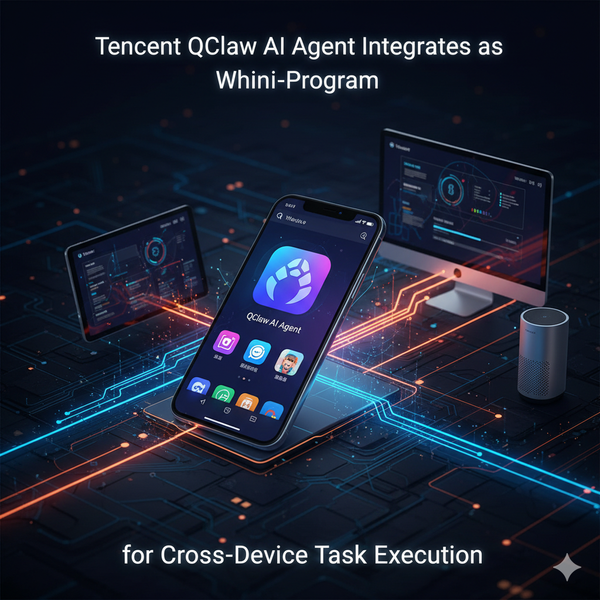
Tencent QClaw AI Agent Now Integrates as WeChat Mini-Program for Cross-Device Task Execution Tencent Cloud has officially released version 0.1.9 of QClaw, transforming the AI agent from a customer service account interface into a fully functional WeChat mini-program. Announced during Tencent's Q4 2025 earnings call on March 18, 2026, and detailed in subsequent technical documentation, this update significantly lowers the barrier
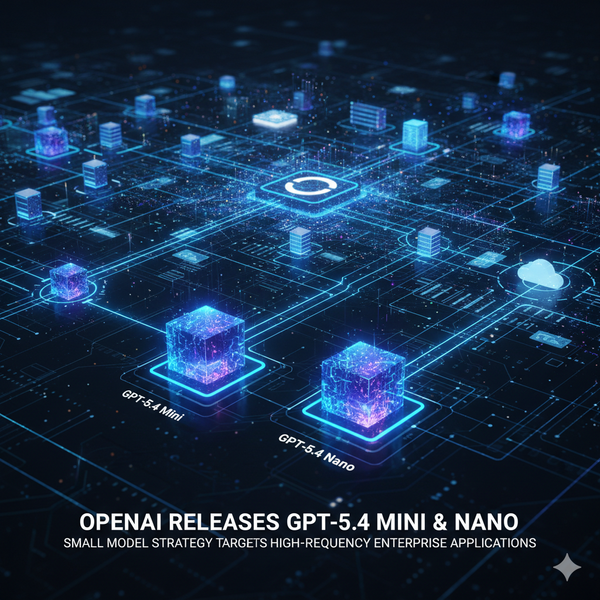
OpenAI Releases GPT-5.4 Mini and Nano: Small Model Strategy Targets High-Frequency Enterprise Applications OpenAI has introduced two new small AI models—GPT-5.4 mini and GPT-5.4 nano—specifically optimized for high-frequency, low-latency enterprise application scenarios. Announced March 18, 2026, these models represent a strategic expansion of OpenAI's product portfolio beyond large foundational models, addressing growing demand for cost-effective AI inference in production
OpenAI Plans Desktop SuperApp to Unify ChatGPT, Codex, and Browser OpenAI has confirmed plans to merge its ChatGPT application, Codex coding platform, and Atlas browser into a single desktop "superapp," according to a Wall Street Journal report published March 19-20, 2026. This strategic consolidation represents a significant shift for the AI giant, which had previously pursued a multi-app strategy with
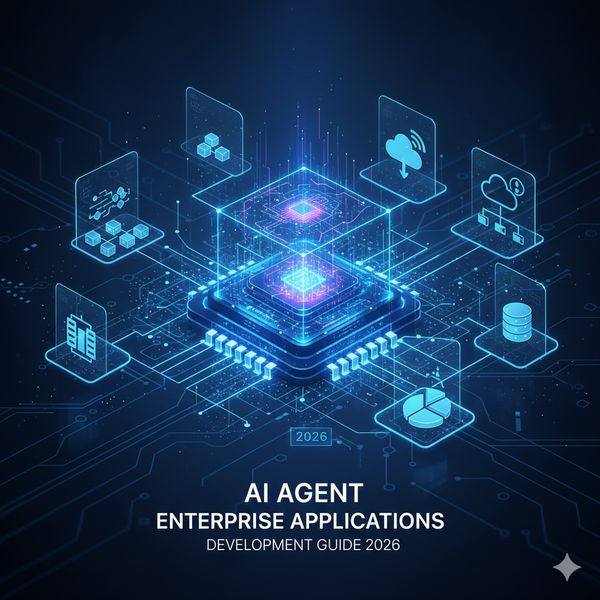
AI Agent Enterprise Applications Development Guide 2026: Architecture Patterns and Implementation Strategies AI agent applications represent a significant evolution in enterprise software, moving beyond passive assistance tools to active systems that can plan, execute, and adapt workflows autonomously. Unlike traditional applications that respond to explicit user commands, AI agents operate with greater autonomy—analyzing contexts, determining appropriate actions, executing multi-step processes, and
The M&A Playbook: Accelerating Post-Merger App Integration with Container Technology Accelerate Merger Integration: A Post-Merger Integration Playbook. Leverage best practices for successful integration, faster economies of scale & smooth acquisition.
Building the Patient Super App: Unifying Telehealth, Pharmacy, and Insurance Telemedicine in 2025: Complete Guide to Build a Telehealth App. Learn how to build a telehealth app! Explore software development, compliance, and virtual care in the healthcare industry.
The EdTech Super App: Integrating Third-Party Content Providers Securely AI-Powered Fintech Super App Development: Build a scalable one-stop portal! Explore seamless third-party integrations for a real-time, user-friendly app.
Meeting the European Accessibility Act (EAA): Agile UI Updates with Mini-Programs Your EAA 2025 guide to European Accessibility Act compliance. Understand EAA standards, WCAG, and what you need to comply with the European Accessibility Act.
The Gamified App: Boosting E-commerce Retention with Mini-Program Games Boost e-commerce loyalty with gamification & mini-games! Discover how gamification & game elements increase customer engagement & retention. Unlock an enhanced customer experience!
Empowering System Integrators: Building White-Label Super Apps for Enterprise Clients White-Label Super App Guide: Fintech & App Development. Learn how to integrate all-in-one, white label super app solutions for your enterprise. Seamless app development!
Building an Enterprise App Store: B2B Software Distribution Without MDM Friction iOS app distribution guide for developers: Learn about Enterprise & B2B App Store deployment, Apple Developer Program, internal app and custom app methods.
Automating the Super App: Integrating Mini-Programs into Enterprise CI/CD Pipelines AI-Powered DevOps: Automate Your Deploy Pipeline with GitHub Actions. Enhance your workflow with AI-powered DevOps! Automate CI/CD, deployment pipelines, and testing using GitHub for continuous integration.
GDPR-Compliant Mobile Ecosystems: Securing User Data in Third-Party App Modules Ensure GDPR compliance for your mobile app. Protect user data and user privacy. App development to meet GDPR requirements and build a GDPR compliant mobile application.
App Store Policy Changes 2026: Implications for Mini-Program and Super App Development App store policy changes in 2026 introduce significant adjustments to commission structures, age verification requirements, and SDK compliance mandates that directly impact mini-program and super app development strategies. These policy updates reflect evolving platform governance approaches while presenting both challenges and opportunities for developers building containerized applications and comprehensive platform
Mini Program SDK Integration Best Practices: Technical Implementation Guide Mini-program SDK integration represents a critical technical undertaking that enables organizations to extend their applications with containerized functionality while maintaining performance, security, and user experience standards. This comprehensive guide covers architecture decisions, implementation strategies, performance optimization techniques, and security considerations for successful SDK integration. The approach balances technical sophistication with
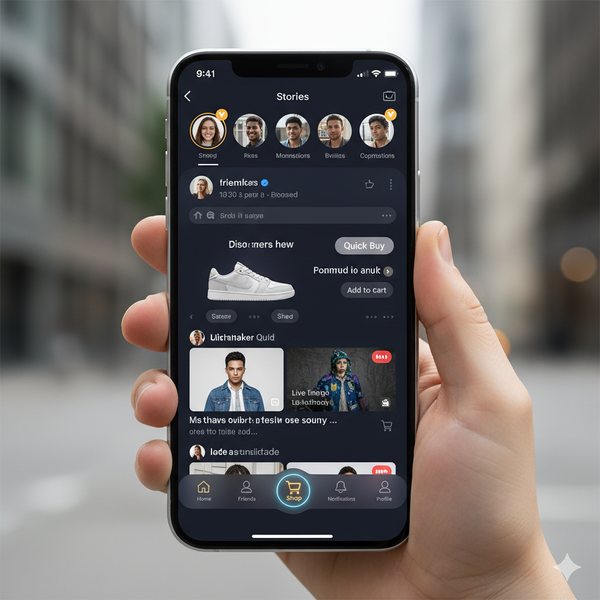
Social Commerce Super App Strategy: Integrating Shopping Experiences into Social Platforms Social commerce represents the fundamental evolution of digital shopping, transforming how consumers discover, evaluate, and purchase products through integrated experiences within social platforms. This approach moves beyond traditional e-commerce by embedding purchasing capabilities directly into social interactions, creating seamless pathways from product discovery to transaction completion. The technical implementation of
The 'Glocal' App Strategy: Managing Multi-Region Mobile Apps with Modular Architecture Build a scalable mobile app architecture for global reach. Discover modular application architecture best practices for maintainability and a loosely coupled codebase.