Google Play Reduces Fees to 20%, Opens Third-Party Payments in Major App Store Policy Shift
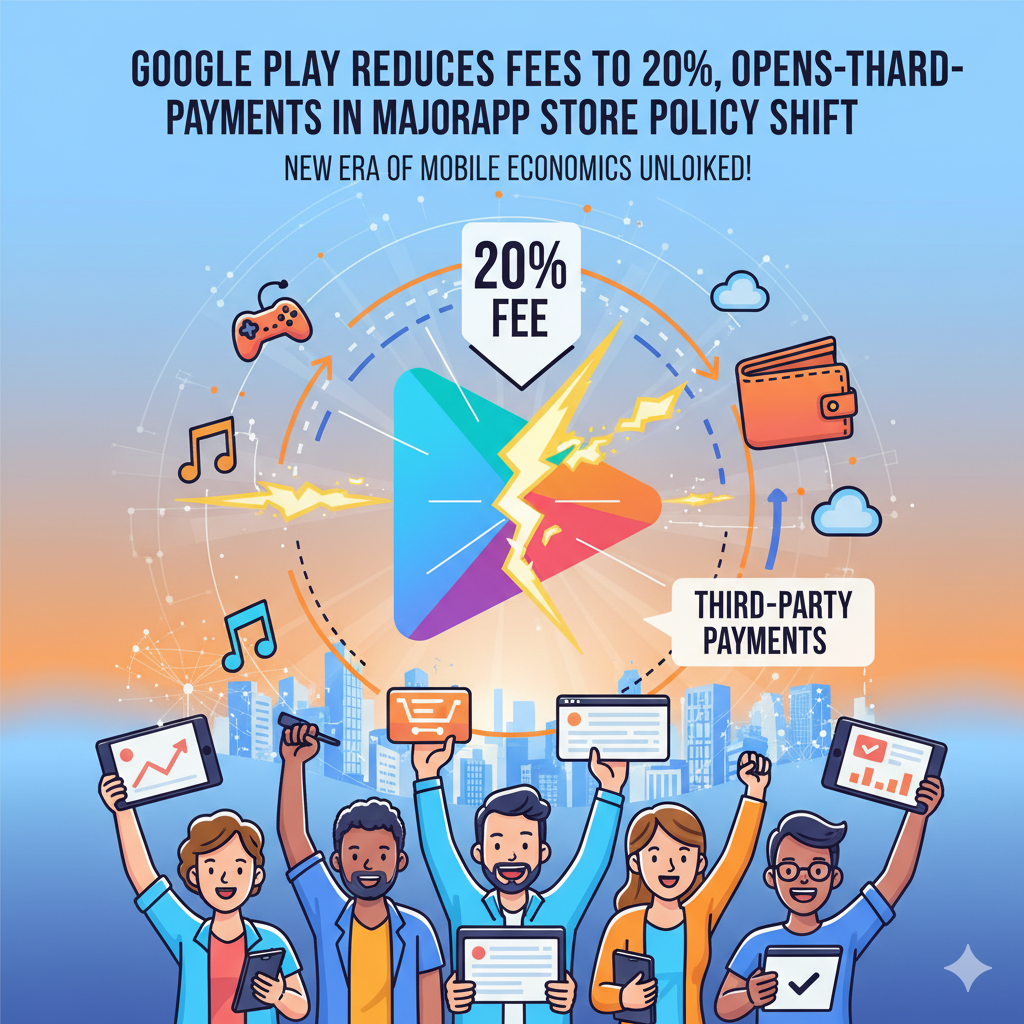
Google announced sweeping changes to its Play Store fee structure, reducing commissions to 20% for new user app purchases while opening the platform to third-party payment systems and external purchase paths. This policy shift follows Google's settlement with Epic Games and represents the most significant app store economics change since the initial 30% standard was established. For developers and platform operators, these changes create new opportunities for revenue optimization and user experience design while introducing complex compliance considerations across different regional implementations.
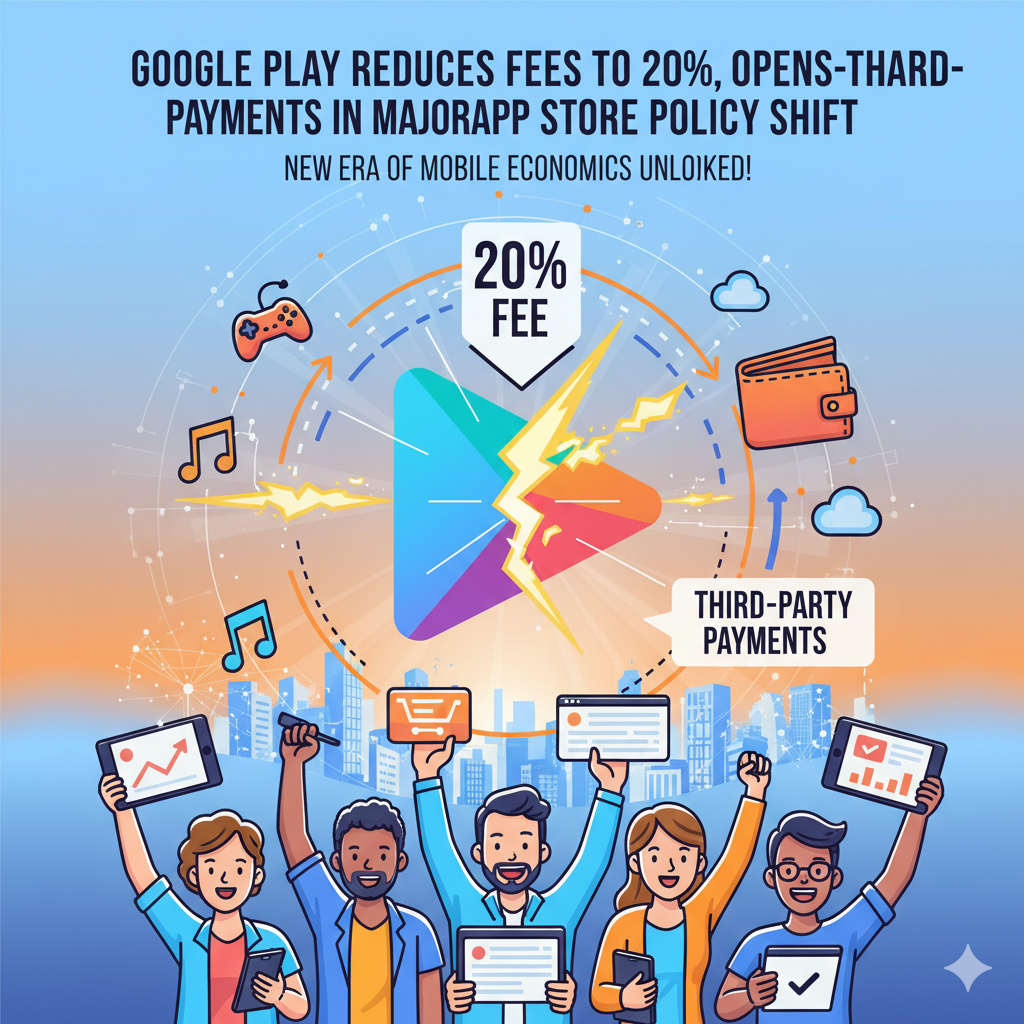
What Happened
On March 8, 2026, Google published updated Play Store policies that fundamentally alter the platform's revenue model. The changes split the traditional 30% commission into two components: a service fee reduced to 20% for new user app purchases (10% for subscriptions), and a separate 5% settlement processing fee when transactions continue using Google Play's billing system. Crucially, developers now have the option to use third-party payment processors or direct users to complete purchases outside the Google Play environment through in-app links.
The policy changes follow Google's settlement with Epic Games, which challenged the company's app store practices under antitrust considerations. Google's new approach represents a compromise that maintains some revenue while addressing developer concerns about platform control and commission rates. The implementation will roll out regionally with different timelines: European Economic Area, United Kingdom, and United States markets will see changes by June 30, 2026; Australia by September 30, 2026; Japan and Korea by December 31, 2026; and global remaining regions by September 30, 2027.
Simultaneously, Google announced stricter enforcement of technical quality standards, particularly targeting high battery consumption applications. Beginning March 1, 2026, apps with excessive partial wake locks face reduced visibility in store rankings and warning labels. The company also expanded its developer verification system, requiring identity confirmation for all Play Console accounts to combat fraud and improve platform security.
Why This Matters for App Distribution Economics
Google's fee reduction from 30% to effective rates as low as 15% (when using third-party payment processors) represents a substantial improvement in developer revenue share. For applications with high transaction volumes, this change can translate to millions in additional annual revenue. The 20% service fee applies specifically to new user acquisitions through app purchases, while subscription services benefit from the reduced 10% rate that aligns with competing platforms' subscription models.
The option to use third-party payment systems introduces both opportunities and complexities. Developers can now integrate their preferred payment processors, potentially reducing transaction costs and improving user experience through familiar payment methods. However, this requires additional compliance work, as developers must handle tax calculations, currency conversion, and regional regulations that Google previously managed through its billing system. The 5% settlement fee for continued Google Play billing use represents a compromise that maintains some platform revenue while offering developers choice.
Regionally phased implementation creates a fragmented compliance landscape throughout 2026-2027. Developers operating globally must maintain multiple billing implementations across different markets, tracking which regions have transitioned to the new model versus those still operating under legacy terms. This complexity favors modular billing architectures that can conditionally enable different payment flows based on user location and effective date thresholds.
The Bigger Picture
Google's policy changes reflect broader shifts in digital platform regulation and competition. The European Union's Digital Markets Act and similar legislation worldwide have pressured gatekeeper platforms to open their ecosystems. Apple has faced similar pressures, with the EU requiring alternative app stores and payment processing options on iOS. These regulatory movements are creating a more fragmented but potentially more competitive app distribution landscape.
For Super App developers, these changes reduce one of the significant barriers to ecosystem monetization. Traditional app store commissions made it economically challenging to support complex multi-service platforms with thin margins across individual transactions. Lower fees improve the viability of aggregated service models where numerous microtransactions occur within a single application container. Social platforms implementing Super App strategies have reported 126% satisfaction increases and 200% daily active user growth when transaction friction decreases.
Technologically, the trend toward open payment systems favors architectures that support multiple payment gateways and billing providers. Mini-program containers that can securely host third-party payment interfaces while maintaining platform security standards become increasingly valuable. These containerized approaches allow rapid payment method testing and optimization without requiring full application updates through app store review processes.
What App Developers Should Do Now
Developers should immediately audit their current revenue models to quantify the impact of fee reductions across different user segments and regions. Applications with substantial new user acquisition through paid downloads stand to benefit most from the 20% service fee reduction, while subscription-based services should evaluate the 10% rate against their current costs. Revenue projections should account for the phased regional implementation, with different effective dates across markets.
Payment architecture reviews should begin immediately for teams considering third-party payment integration. While Google's billing system offers convenience and reduced compliance burden, alternative payment processors may provide better rates for specific transaction types or regional markets. Developers should evaluate total cost of ownership, including integration complexity, ongoing maintenance, and compliance requirements for tax calculation and reporting.
Organizations building Super App capabilities should consider how open payment systems affect their mini-program ecosystems. Third-party developers operating within containerized environments may need to integrate their own payment solutions, requiring platform-level support for secure payment gateway integration. The security implications of multiple payment processors within a single application container necessitate robust sandboxing and data isolation protocols.
For teams implementing these changes, hot update capabilities that bypass app store review cycles provide significant advantages. A/B testing different payment flows and commission structures allows optimization before full deployment. In enterprise deployments using container SDKs with hot update support, organizations have achieved 100% year-over-year revenue growth by rapidly testing and refining monetization strategies.
See how container SDKs turn any app into a SuperApp. Book a 30-min demo