GitHub Mini-Program Ecosystem Shows Accelerated Growth with 1,035+ Active Repositories
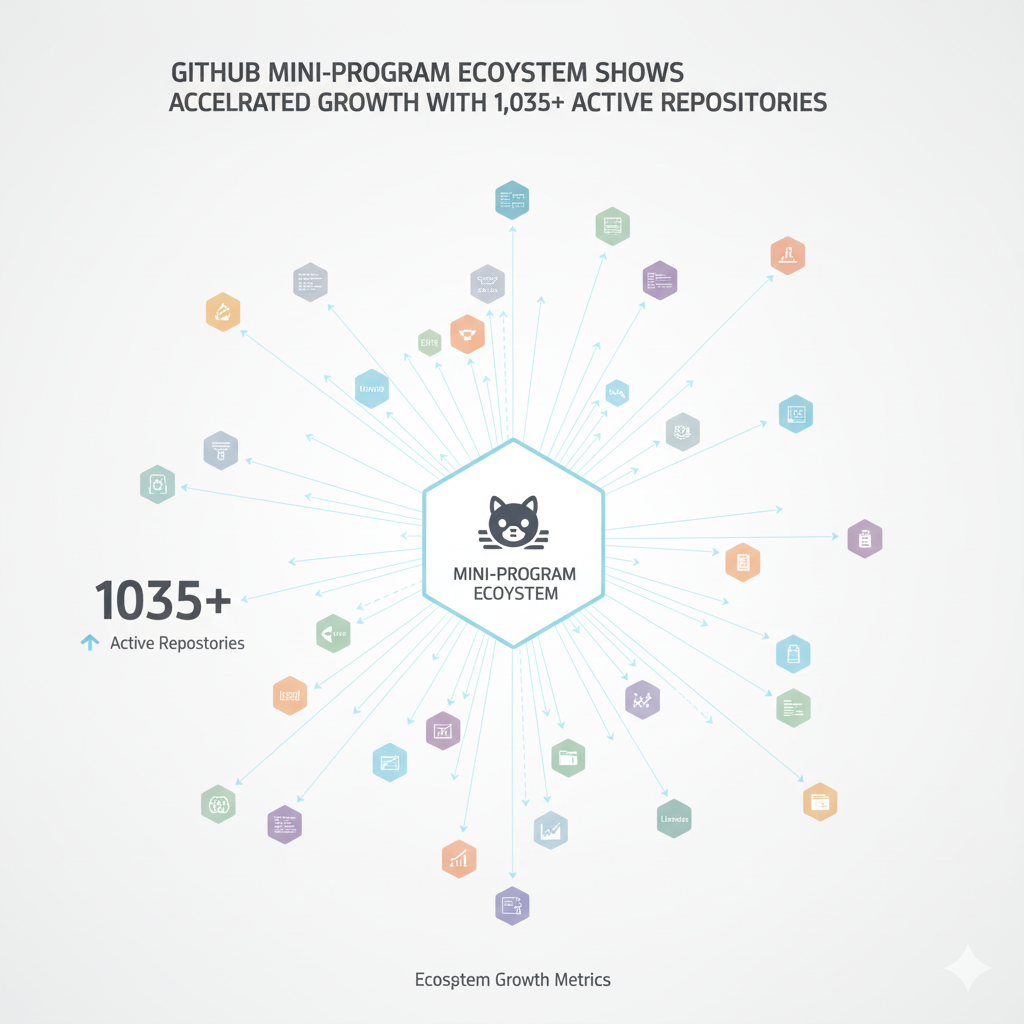
The GitHub mini-program ecosystem reached a significant milestone in March 2026, with the platform's dedicated topic now featuring 1,035+ active public repositories demonstrating robust developer engagement and technical innovation. This growth reflects increasing enterprise adoption of mini-program architectures across industries, with major frameworks like uni-app, WxJava, and Remax showing continuous updates and community contributions. For development teams evaluating mini-program technologies, the GitHub ecosystem provides valuable insights into implementation patterns, tool maturity, and community support levels.
What Happened
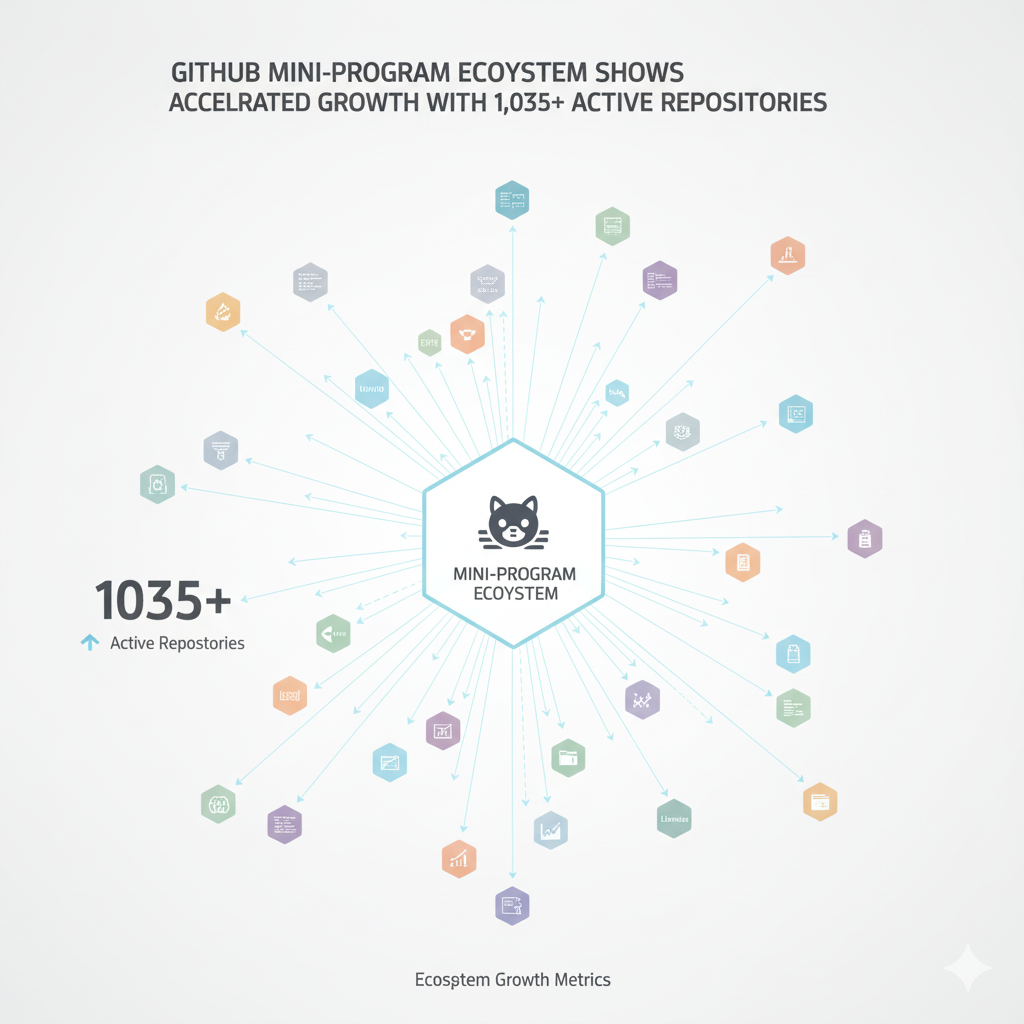
Throughout early 2026, the GitHub mini-program ecosystem demonstrated accelerated growth, with the platform's dedicated topic page showing 1,035+ active public repositories as of March 7-8. This represents substantial expansion from previous years, indicating growing developer interest and enterprise adoption of mini-program architectures. The ecosystem encompasses diverse technical approaches, from cross-platform frameworks to platform-specific SDKs and UI component libraries.
Leading repositories show continuous maintenance and feature development. The uni-app cross-platform framework maintained by DCloudIo received updates through March 7, 2026, demonstrating active development of its Vue.js-based approach to building applications for multiple mini-program platforms. Similarly, BinaryWang's WxJava SDK for WeChat development showed recent updates, providing comprehensive backend support for WeChat payment, open platform, mini-programs, enterprise WeChat, and official accounts.
The ecosystem includes both broad frameworks and specialized tools. YouZan's Vant-Weapp continues as a lightweight, reliable mini-program UI component library with recent updates, while Tencent's TDesign-miniprogram provides enterprise-grade UI components for WeChat mini-programs and uni-app. Remax framework enables developers to use React for building cross-platform mini-programs, with updates through March 2024 showing ongoing maintenance.
Developer tools and utilities represent another active category. Didi's DoKit provides a comprehensive efficiency platform for the entire front-end product development lifecycle, while tools like Wept enable real-time multi-end running for WeChat mini-programs. These tools address practical development challenges like debugging, performance monitoring, and multi-platform testing.
Why This Matters for Development Team Strategy
The GitHub ecosystem growth provides concrete evidence of mini-program technology maturation and enterprise readiness. With 1,035+ active repositories, developers have access to established patterns, documented solutions, and community support for implementing mini-program architectures. This reduces implementation risk compared to emerging technologies with limited ecosystem support.
Framework diversity addresses different organizational needs. Teams prioritizing rapid development and code reuse across platforms might select uni-app or Remax, while organizations deeply integrated with specific platforms like WeChat would benefit from specialized SDKs like WxJava. The availability of multiple mature options enables technology selection based on specific project requirements rather than ecosystem limitations.
Component library maturity represents another significant factor. Well-maintained UI component libraries like Vant-Weapp and TDesign-miniprogram provide tested, accessible interface elements that accelerate development while ensuring consistency with platform design guidelines. These libraries reduce the need for custom UI development while maintaining professional visual standards.
The active maintenance observed across leading repositories indicates sustainable ecosystem health. Regular updates address security vulnerabilities, performance improvements, and compatibility with platform updates. This maintenance commitment reduces technical debt accumulation and ensures long-term viability for organizations building on these technologies.
Tooling ecosystem development addresses practical implementation challenges. Debugging, testing, and performance monitoring tools specifically designed for mini-program environments help teams maintain development velocity and application quality. These tools become increasingly important as applications scale in complexity and user base.
The Bigger Picture
The GitHub mini-program ecosystem growth reflects broader industry trends toward component-based architectures and containerized application delivery. Mini-programs represent a specific implementation of these patterns, providing lightweight, isolated functionality within host applications. The GitHub activity demonstrates how these architectural patterns gain traction across development communities.
Cross-platform considerations remain central to ecosystem development. Frameworks like uni-app and Remax address the challenge of supporting multiple mini-program platforms (WeChat, Alipay, ByteDance, etc.) with shared codebases. This approach reduces development effort while expanding potential user reach across different platforms and regions.
Enterprise adoption patterns emerge from repository analysis. Many actively maintained projects originate from or are heavily used by enterprise organizations (Tencent, Didi, Alibaba, etc.), indicating real-world production validation. This enterprise involvement contributes to framework stability, comprehensive documentation, and long-term maintenance commitments.
Security and compliance considerations gain prominence as mini-program usage expands. Repository activity includes security-focused updates, compliance improvements, and privacy enhancement features. This reflects growing awareness of regulatory requirements and user expectations regarding data protection in embedded application contexts.
The ecosystem demonstrates healthy balance between platform-specific and cross-platform approaches. While some tools focus exclusively on particular platforms (primarily WeChat), others provide abstraction layers that work across multiple environments. This diversity enables organizations to select approaches matching their specific platform strategy and technical requirements.
What Development Teams Should Do Now
For teams evaluating or implementing mini-program architectures, the GitHub ecosystem provides several actionable guidance points. First, assess framework maturity based on maintenance frequency, issue resolution rates, and community size. The most actively maintained projects typically offer better long-term support and faster adaptation to platform changes.
Second, consider cross-platform requirements early in technology selection. If your application needs to support multiple mini-program platforms, evaluate frameworks like uni-app or Remax that provide abstraction layers. For single-platform deployments, platform-specific SDKs may offer deeper integration and performance advantages.
Third, leverage established component libraries to accelerate development. Well-maintained UI component libraries provide tested, accessible interface elements that reduce custom development effort while ensuring design consistency. Evaluate libraries based on documentation quality, accessibility features, and compatibility with your selected framework.
Fourth, implement appropriate tooling for development workflow efficiency. Debugging, testing, and performance monitoring tools specifically designed for mini-program environments can significantly improve development velocity and application quality. Consider tools that integrate with your existing development pipelines and collaboration platforms.
Finally, monitor security and compliance updates within your selected technologies. Regular updates addressing security vulnerabilities and regulatory requirements help maintain application security posture and compliance status. Establish processes for tracking and applying these updates within your development lifecycle.
Modern mini-program containers enable zero-migration integration of existing WeChat mini-programs into new application environments. Download the SDK that provides this compatibility while adding cross-platform support. Get SDK