Minghan Xu

132 posts published

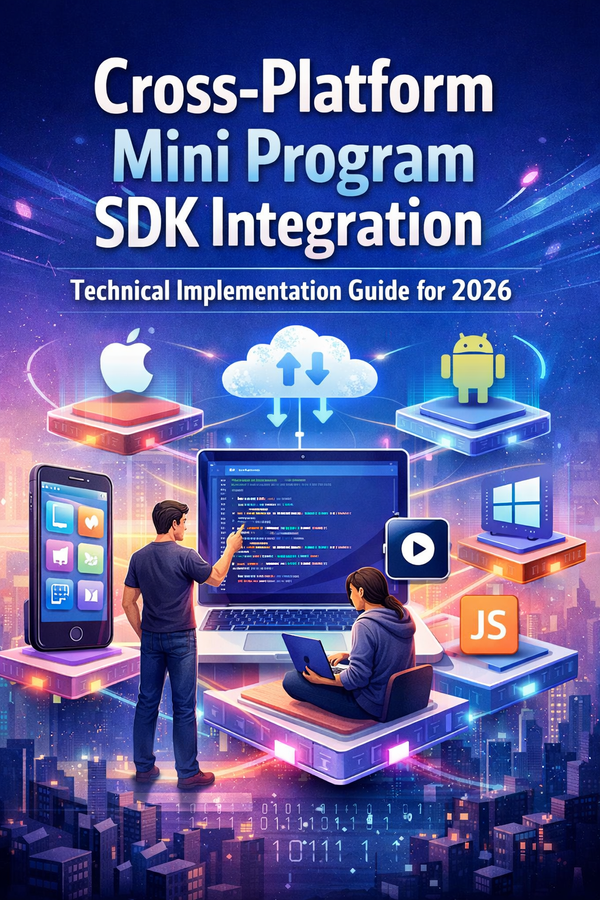
Cross-Platform Mini Program SDK Integration: Technical Implementation Guide for 2026

Cross-Platform Mini Program SDK Integration: Technical Implementation Guide for 2026

Cross-platform mini program SDK integration enables organizations to deploy consistent application experiences across multiple operating systems and device types while maintaining development efficiency and operational control. As mini program ecosystems expand beyond their original mobile contexts to encompass desktop, IoT, and embedded environments, effective SDK integration becomes increasingly important for

Telegram Mini Apps 2.0: Full-Screen Mode and Partner Programs Transform Platform Economics

Telegram Mini Apps 2.0: Full-Screen Mode and Partner Programs Transform Platform Economics

Telegram's latest platform update represents a significant evolution in mini app capabilities, introducing full-screen mode, home screen integration, and revolutionary partner programs that fundamentally change how developers monetize their applications. The Mini Apps 2.0 release, rolled out throughout February and March 2026, transforms Telegram from a messaging platform with

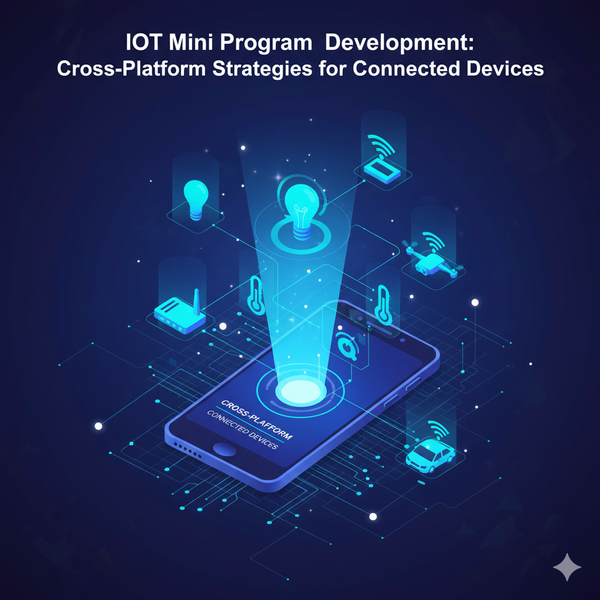
IoT Mini Program Development: Cross-Platform Strategies for Connected Devices

IoT Mini Program Development: Cross-Platform Strategies for Connected Devices

Internet of Things (IoT) mini-program development enables consistent application experiences across diverse connected devices—smart home appliances, industrial sensors, wearable technology, and automotive systems. The containerized mini-program architecture provides an ideal foundation for IoT applications, offering sandboxed execution, standardized APIs, and cross-platform compatibility that simplifies deployment across heterogeneous device ecosystems.

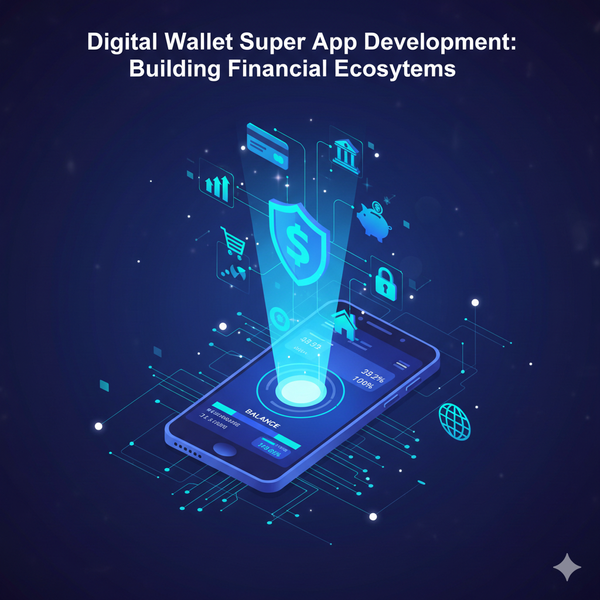
Digital Wallet Super App Development: Building Financial Ecosystems

Digital Wallet Super App Development: Building Financial Ecosystems

Digital wallet super apps represent the convergence of payment functionality, financial services, and lifestyle applications within unified platforms. These ecosystems combine core payment processing with value-added services like lending, insurance, investment, and merchant tools, creating comprehensive financial hubs that serve diverse user needs. The mini-program architecture provides an ideal foundation

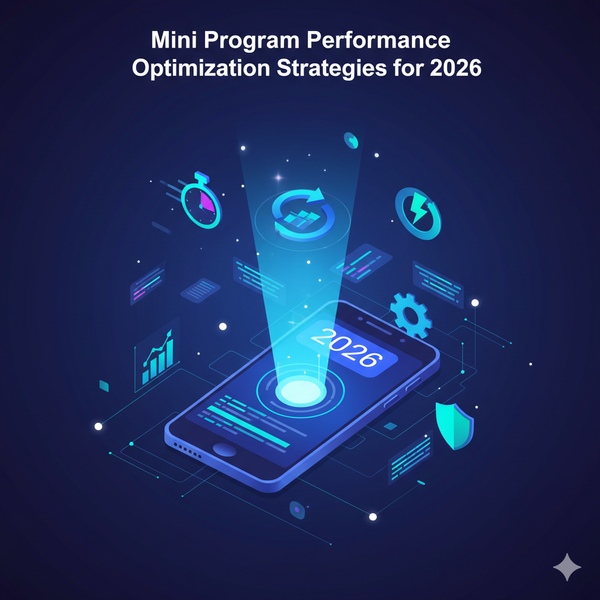
Mini Program Performance Optimization Strategies for 2026

Mini Program Performance Optimization Strategies for 2026

Mini-program performance directly impacts user retention, conversion rates, and overall platform success. As enterprises increasingly adopt mini-program architectures for digital transformation initiatives, optimization strategies must address container overhead, resource utilization, and cross-platform consistency. The lightweight container model introduces unique performance characteristics that differ from both native applications and traditional web

Retail Super App Strategies: Building Unified Commerce Platforms for Omnichannel Success

Retail Super App Strategies: Building Unified Commerce Platforms for Omnichannel Success

Retail organizations worldwide are developing super app platforms that integrate traditionally separate functions—e-commerce, loyalty programs, store operations, customer service, and community features—into unified mobile experiences that transcend channel boundaries. This strategic shift responds to evolving consumer expectations for seamless shopping journeys that blend digital convenience with physical experience,

Mini-Program Performance Optimization: Techniques for Faster Loading and Smoother User Experience

Mini-Program Performance Optimization: Techniques for Faster Loading and Smoother User Experience

Mini-program performance directly impacts user engagement, retention, and conversion rates, with research showing that each 100ms increase in loading time can decrease conversion rates by up to 7%. As mini-programs evolve from simple utilities to complex applications with rich interfaces, sophisticated logic, and real-time data requirements, performance optimization becomes increasingly

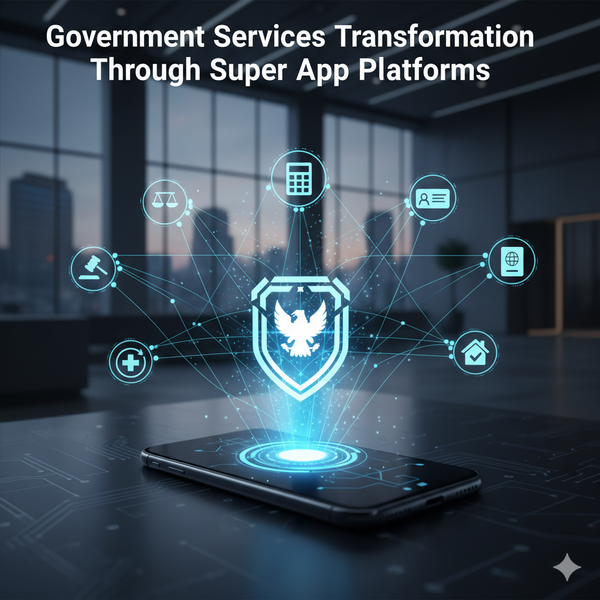
Government Services Transformation Through Super App Platforms

Government Services Transformation Through Super App Platforms

Government agencies worldwide are increasingly adopting super app architectures to transform service delivery, moving from fragmented departmental websites and applications toward integrated digital platforms that provide citizens with unified access to public services. This shift represents a fundamental rethinking of how governments interact with constituents, leveraging mobile-first design, unified authentication,

WeChat Mini-Program AI Development Support Program 2026: Complete Guide to Free Resources and Growth Opportunities

WeChat Mini-Program AI Development Support Program 2026: Complete Guide to Free Resources and Growth Opportunities

WeChat has launched a comprehensive AI mini-program development support program for 2026, offering free cloud resources, substantial AI computing credits, professional analytics tools, and multiple monetization pathways for developers building next-generation applications within China's dominant social platform. Announced in February 2026 and detailed in technical documentation, this initiative provides both

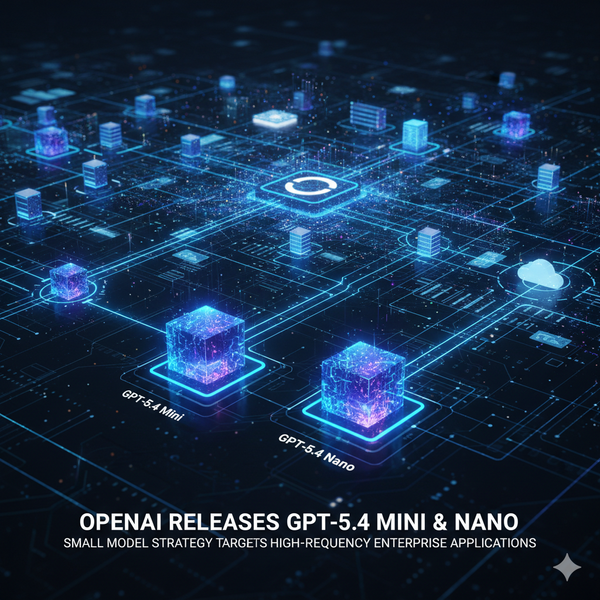
OpenAI Releases GPT-5.4 Mini and Nano: Small Model Strategy Targets High-Frequency Enterprise Applications

OpenAI Releases GPT-5.4 Mini and Nano: Small Model Strategy Targets High-Frequency Enterprise Applications

OpenAI has introduced two new small AI models—GPT-5.4 mini and GPT-5.4 nano—specifically optimized for high-frequency, low-latency enterprise application scenarios. Announced March 18, 2026, these models represent a strategic expansion of OpenAI's product portfolio beyond large foundational models, addressing growing demand for cost-effective AI inference in production

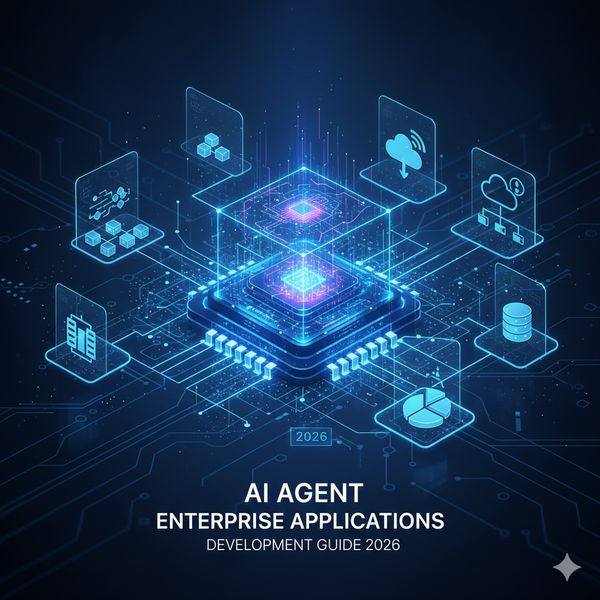
AI Agent Enterprise Applications Development Guide 2026: Architecture Patterns and Implementation Strategies

AI Agent Enterprise Applications Development Guide 2026: Architecture Patterns and Implementation Strategies

AI agent applications represent a significant evolution in enterprise software, moving beyond passive assistance tools to active systems that can plan, execute, and adapt workflows autonomously. Unlike traditional applications that respond to explicit user commands, AI agents operate with greater autonomy—analyzing contexts, determining appropriate actions, executing multi-step processes, and

App Store Policy Changes 2026: Implications for Mini-Program and Super App Development

App Store Policy Changes 2026: Implications for Mini-Program and Super App Development

App store policy changes in 2026 introduce significant adjustments to commission structures, age verification requirements, and SDK compliance mandates that directly impact mini-program and super app development strategies. These policy updates reflect evolving platform governance approaches while presenting both challenges and opportunities for developers building containerized applications and comprehensive platform

Mini Program SDK Integration Best Practices: Technical Implementation Guide

Mini Program SDK Integration Best Practices: Technical Implementation Guide

Mini-program SDK integration represents a critical technical undertaking that enables organizations to extend their applications with containerized functionality while maintaining performance, security, and user experience standards. This comprehensive guide covers architecture decisions, implementation strategies, performance optimization techniques, and security considerations for successful SDK integration. The approach balances technical sophistication with

Social Commerce Super App Strategy: Integrating Shopping Experiences into Social Platforms

Social Commerce Super App Strategy: Integrating Shopping Experiences into Social Platforms

Social commerce represents the fundamental evolution of digital shopping, transforming how consumers discover, evaluate, and purchase products through integrated experiences within social platforms. This approach moves beyond traditional e-commerce by embedding purchasing capabilities directly into social interactions, creating seamless pathways from product discovery to transaction completion. The technical implementation of

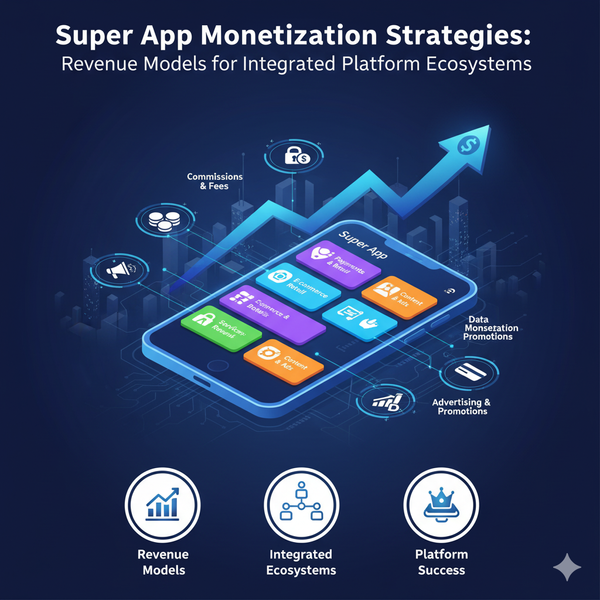
Super App Monetization Strategies: Revenue Models for Integrated Platform Ecosystems

Super App Monetization Strategies: Revenue Models for Integrated Platform Ecosystems

Super app monetization represents one of the most complex challenges in platform economics, requiring careful balance between multiple revenue streams, user experience preservation, and sustainable ecosystem growth. Unlike single-purpose applications with straightforward monetization models, super apps integrate diverse services that create interconnected revenue opportunities while introducing coordination challenges across different

WeChat Mini-Program Framework Updates: Technical Evolution of China's Dominant Super App Platform

WeChat Mini-Program Framework Updates: Technical Evolution of China's Dominant Super App Platform

WeChat's mini-program framework undergoes continuous technical evolution through regular updates that enhance performance, security, developer capabilities, and user experience across China's dominant super app platform. With over 100 million mini-programs serving more than 1.2 billion monthly active users, these technical improvements represent more than feature additions—they demonstrate how