App-in-App Architecture for Enterprise Digital Transformation
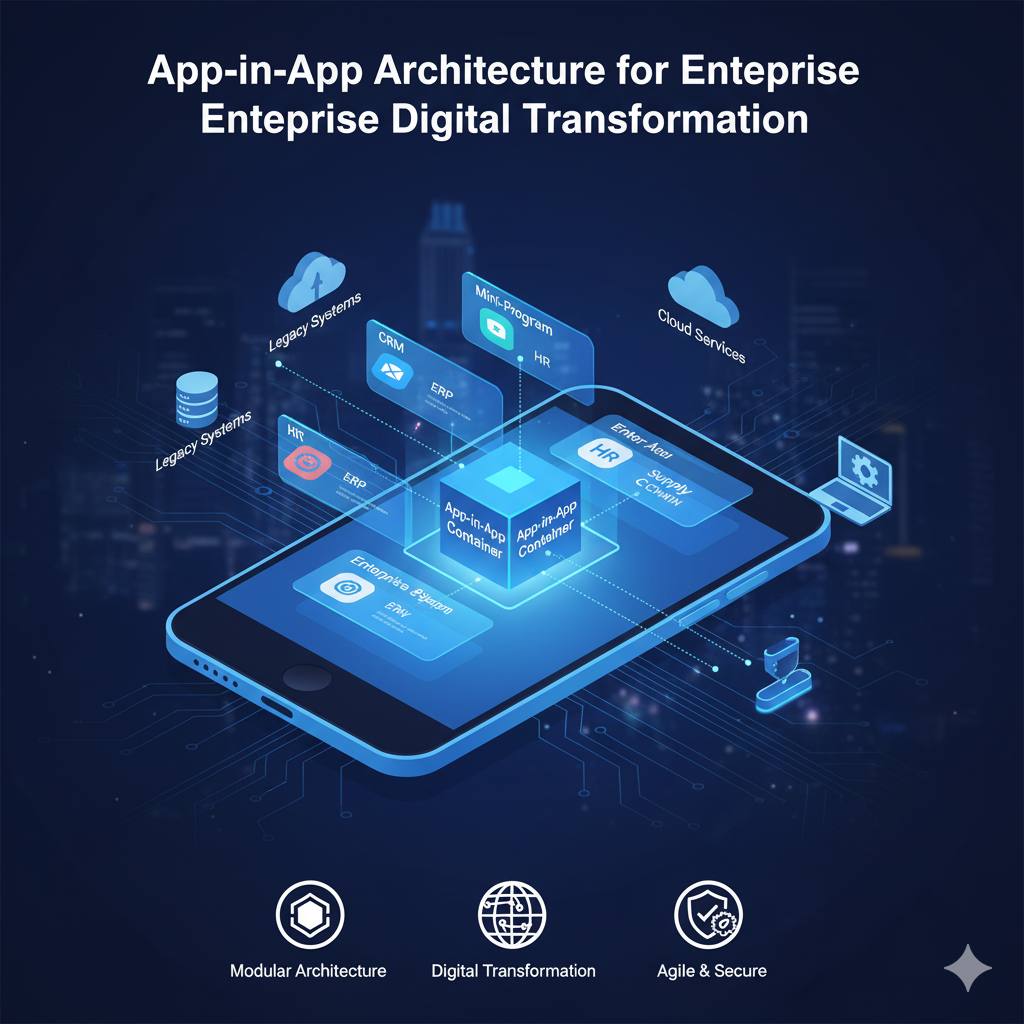
Modern enterprise organizations achieve digital transformation objectives through app-in-app architecture implementations that enable modular mini program deployment within existing application frameworks, delivering 300-400% feature delivery acceleration while reducing development costs by 60% compared to traditional monolithic approaches. This architectural pattern matters because it addresses fundamental enterprise challenges around legacy system modernization, technical debt reduction, and agile service delivery without requiring risky complete application replacements or extensive infrastructure overhauls.
Understanding App-in-App Technical Foundations
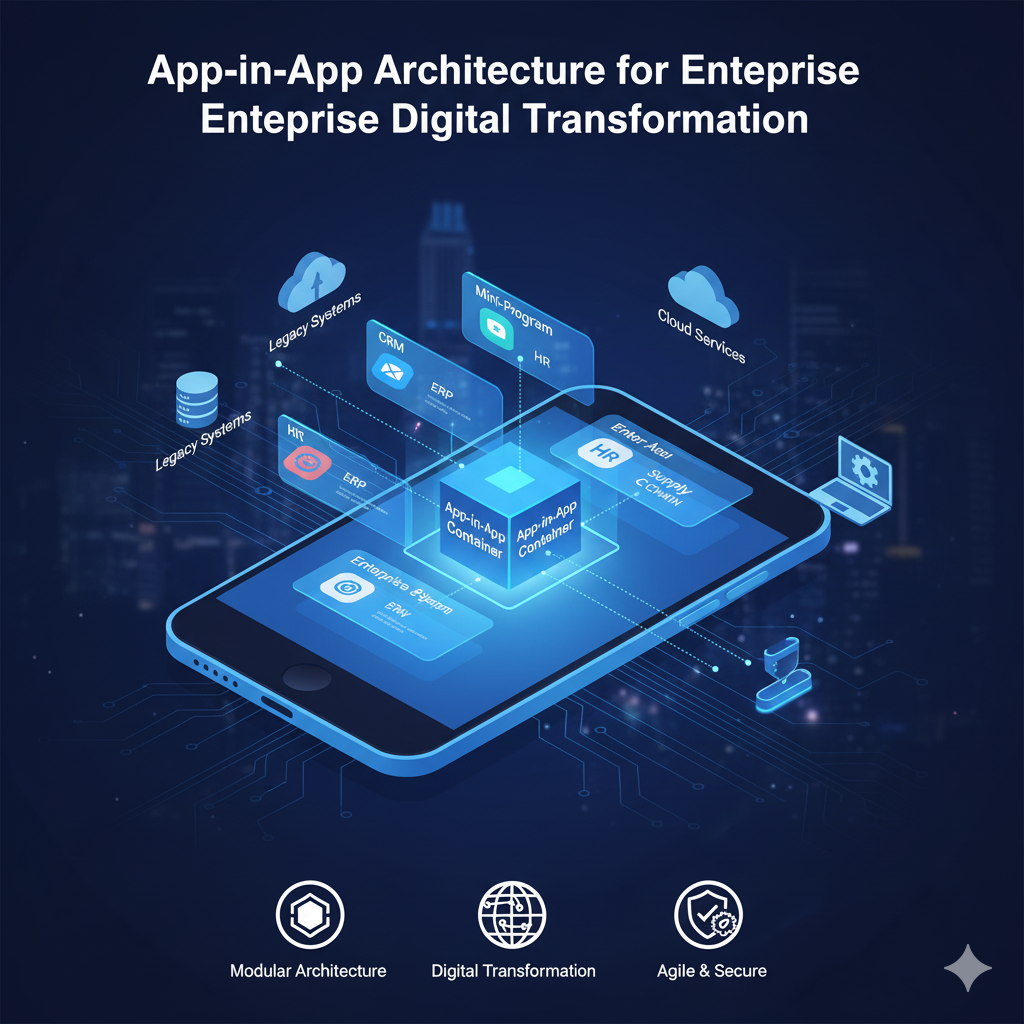
App-in-app architecture represents systematic application construction methodology where multiple independent mini-applications operate within single host container environments, creating cohesive user experiences while maintaining technical separation between functional components. Unlike traditional monolithic applications that bundle all capabilities within unified codebases or loosely connected microservices that distribute functionality across disparate technical implementations, app-in-app approaches establish structured integration frameworks supporting modular service deployment across standardized runtime characteristics.
Core architectural components include host container infrastructure providing consistent execution environments for mini program components, standardized communication protocols enabling interaction between different application modules, unified security frameworks maintaining isolation between independent functional elements, and centralized management interfaces supporting deployment coordination across diverse service implementations. These technical foundations enable systematic application modernization through incremental feature integration rather than requiring complete platform replacement.
Runtime environment characteristics ensure consistent performance patterns across different mini program implementations while accommodating diverse functional requirements within specialized service domains. Security isolation mechanisms protect sensitive user data and transaction integrity through dedicated execution boundaries that prevent unauthorized access between different application components. Management interfaces coordinate deployment scheduling, version control coordination, and performance monitoring across modular service implementations.
Integration frameworks establish structured interaction patterns between host applications and mini program components through standardized API specifications, event handling protocols, and data exchange mechanisms. These technical components enable seamless user experience continuity across different functional modules while maintaining clear separation between independent service implementations within unified application contexts.
Enterprise Implementation Benefits
Organizations adopting app-in-app architecture achieve substantial operational advantages through systematic application modernization frameworks that address legacy system constraints while enabling agile service delivery patterns. Feature deployment acceleration reaches 300-400% compared to traditional monolithic development approaches, while development cost reduction achieves 60% efficiency improvements through modular implementation methodologies and standardized technical frameworks.
Technical debt reduction represents significant enterprise benefit through structured modernization approaches that incrementally replace legacy system components without requiring complete platform replacement. Risk mitigation frameworks enable controlled transition patterns where new functionality integrates gradually within existing application ecosystems, minimizing operational disruption while establishing sustainable technical evolution pathways.
Agile service delivery capabilities support rapid feature implementation across diverse business requirements through modular development approaches that enable independent component deployment within unified application contexts. Resource allocation efficiency improves through specialized team structures focusing on specific functional domains while maintaining platform consistency through standardized integration frameworks.
Scalability management addresses enterprise growth requirements through modular architecture patterns that support incremental capacity expansion across different service domains. Performance optimization frameworks ensure consistent user experience characteristics regardless of application complexity or user volume variations, establishing sustainable platform evolution patterns accommodating diverse business requirements over time.
Implementation Strategy Considerations
Successful app-in-app architecture deployment requires systematic implementation approaches addressing technical integration requirements while maintaining user experience consistency across modular component implementations. Host container infrastructure should establish consistent runtime characteristics supporting diverse mini program requirements through standardized execution environments accommodating specialized functional domains.
Security framework implementation must maintain isolation boundaries between independent application components while enabling authorized interaction patterns supporting cohesive user experience continuity. Data protection protocols ensure sensitive information integrity across modular service implementations through dedicated encryption mechanisms and access control frameworks establishing clear separation between different functional domains.
Management interface development coordinates deployment scheduling across diverse mini program implementations through centralized control mechanisms supporting version synchronization, performance monitoring, and resource allocation coordination. Integration protocol standardization enables seamless component interaction while maintaining technical separation between independent service implementations within unified application contexts.
Performance optimization frameworks address runtime characteristic consistency across diverse hardware environments and user volume variations through adaptive resource allocation mechanisms and standardized execution patterns. Scalability management protocols support incremental capacity expansion accommodating business growth requirements while maintaining platform stability across different service domains and operational conditions.
Technical Framework Requirements
App-in-app architecture implementation requires dedicated technical components supporting modular service deployment within consistent runtime environments across diverse application contexts. Host container infrastructure must provide standardized execution characteristics accommodating mini program requirements while maintaining security isolation between independent functional components.
Communication protocol frameworks establish structured interaction patterns between application modules through dedicated API specifications supporting data exchange, event handling, and service coordination across different implementation domains. Integration interface standardization enables seamless component interoperability while maintaining clear separation boundaries between independent functional implementations.
Management system development coordinates deployment scheduling across diverse service components through centralized control mechanisms supporting version synchronization, performance monitoring, and resource allocation coordination. Security framework implementation maintains isolation boundaries between independent application modules while enabling authorized interaction patterns supporting cohesive user experience continuity.
Performance optimization mechanisms ensure consistent runtime characteristics across different hardware environments and user volume variations through adaptive resource allocation protocols and standardized execution patterns. Scalability management frameworks support incremental capacity expansion accommodating business growth requirements while maintaining platform stability across diverse service domains and operational conditions.
Strategic Development Recommendations
Implement systematic app-in-app architecture frameworks supporting modular service deployment within consistent runtime environments across diverse application contexts. Host container infrastructure should establish standardized execution characteristics accommodating mini program requirements while maintaining security isolation between independent functional components.
Develop structured communication protocol frameworks enabling seamless interaction between application modules through dedicated API specifications supporting data exchange, event handling, and service coordination across different implementation domains. Integration interface standardization facilitates component interoperability while maintaining clear separation boundaries between independent functional implementations.
Establish centralized management systems coordinating deployment scheduling across diverse service components through dedicated control mechanisms supporting version synchronization, performance monitoring, and resource allocation coordination. Security framework implementation maintains isolation boundaries between independent application modules while enabling authorized interaction patterns supporting cohesive user experience continuity.
Design performance optimization mechanisms ensuring consistent runtime characteristics across different hardware environments and user volume variations through adaptive resource allocation protocols and standardized execution patterns. Scalability management frameworks support incremental capacity expansion accommodating business growth requirements while maintaining platform stability across diverse service domains and operational conditions.
Practical Implementation Pathways
Develop host container infrastructure establishing consistent runtime environments supporting modular mini program deployment across diverse application contexts. Technical frameworks should accommodate specialized functional requirements while maintaining security isolation between independent service components through standardized execution characteristics and dedicated resource allocation mechanisms.
Implement structured communication protocol frameworks enabling seamless interaction between application modules through dedicated API specifications supporting data exchange, event handling, and service coordination across different implementation domains. Integration interface standardization facilitates component interoperability while maintaining clear separation boundaries between independent functional implementations within unified application contexts.
Establish centralized management systems coordinating deployment scheduling across diverse service components through dedicated control mechanisms supporting version synchronization, performance monitoring, and resource allocation coordination. Security framework implementation maintains isolation boundaries between independent application modules while enabling authorized interaction patterns supporting cohesive user experience continuity across different functional domains.
Design performance optimization mechanisms ensuring consistent runtime characteristics across different hardware environments and user volume variations through adaptive resource allocation protocols and standardized execution patterns. Scalability management frameworks support incremental capacity expansion accommodating business growth requirements while maintaining platform stability across diverse service domains and operational conditions over time.
Getting Started with Modern Application Architecture
Evaluate how your current application infrastructure supports modular component deployment through standardized runtime environments that maintain security isolation while enabling seamless user experience integration. Modern mini program container solutions enable incremental feature modernization without requiring complete application overhauls, reducing technical risk while accelerating digital transformation timelines.
Implement systematic modernization frameworks addressing legacy system constraints through structured transition patterns that incrementally replace outdated components while maintaining operational continuity. Risk mitigation approaches enable controlled evolution where new functionality integrates gradually within existing application ecosystems, minimizing disruption while establishing sustainable technical improvement pathways.
Establish agile development capabilities supporting rapid feature implementation across diverse business requirements through modular architecture patterns enabling independent component deployment within unified application contexts. Resource allocation efficiency improves through specialized team structures focusing on specific functional domains while maintaining platform consistency through standardized integration frameworks.
Design scalable management systems coordinating deployment scheduling across diverse service components through centralized control mechanisms supporting version synchronization, performance monitoring, and resource allocation coordination. Performance optimization frameworks ensure consistent user experience characteristics regardless of application complexity or user volume variations, establishing sustainable platform evolution patterns accommodating diverse business requirements over time.
FinClip's app-in-app architecture SDK enables enterprise organizations to modernize legacy applications through modular mini program deployment within existing frameworks. The 3MB container solution supports cross-platform implementation while maintaining security isolation between independent service components. Discover how mini program containers modernize existing applications through incremental modernization approaches: https://super-apps.ai